President Xi Jinping’s keynote at the APEC CEO Summit 2026 emphasizes shared prosperity and cooperation in the Asia-Pacific region.
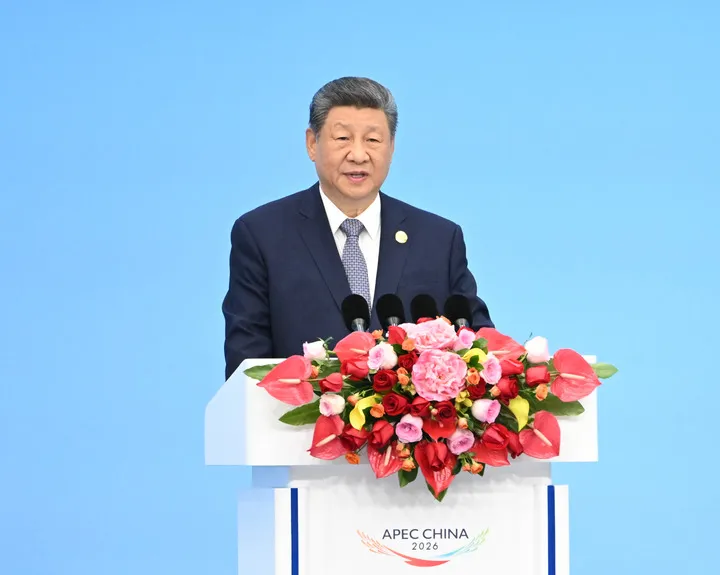
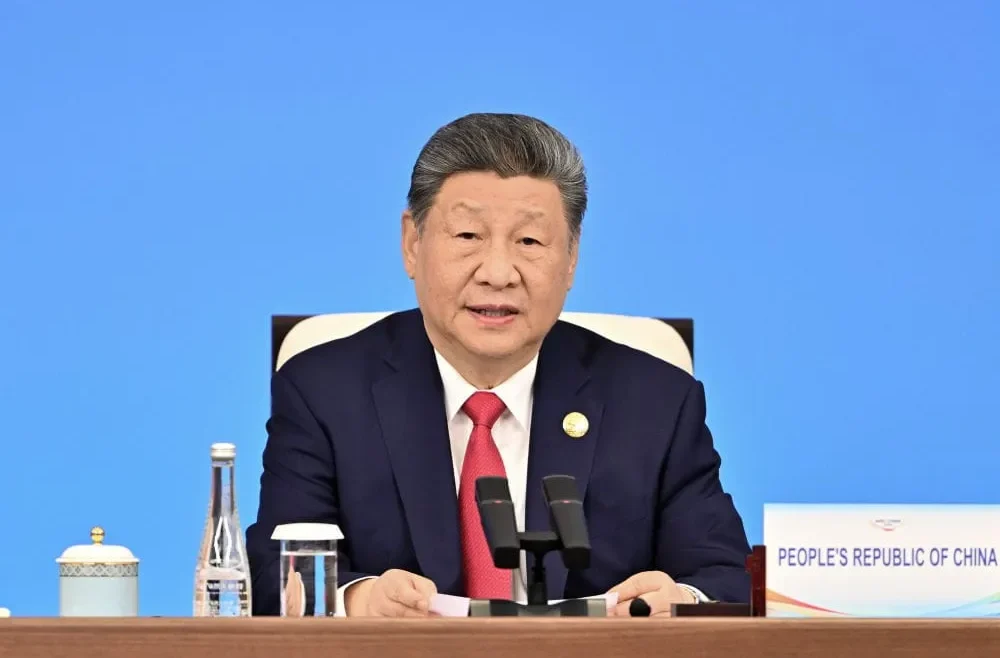
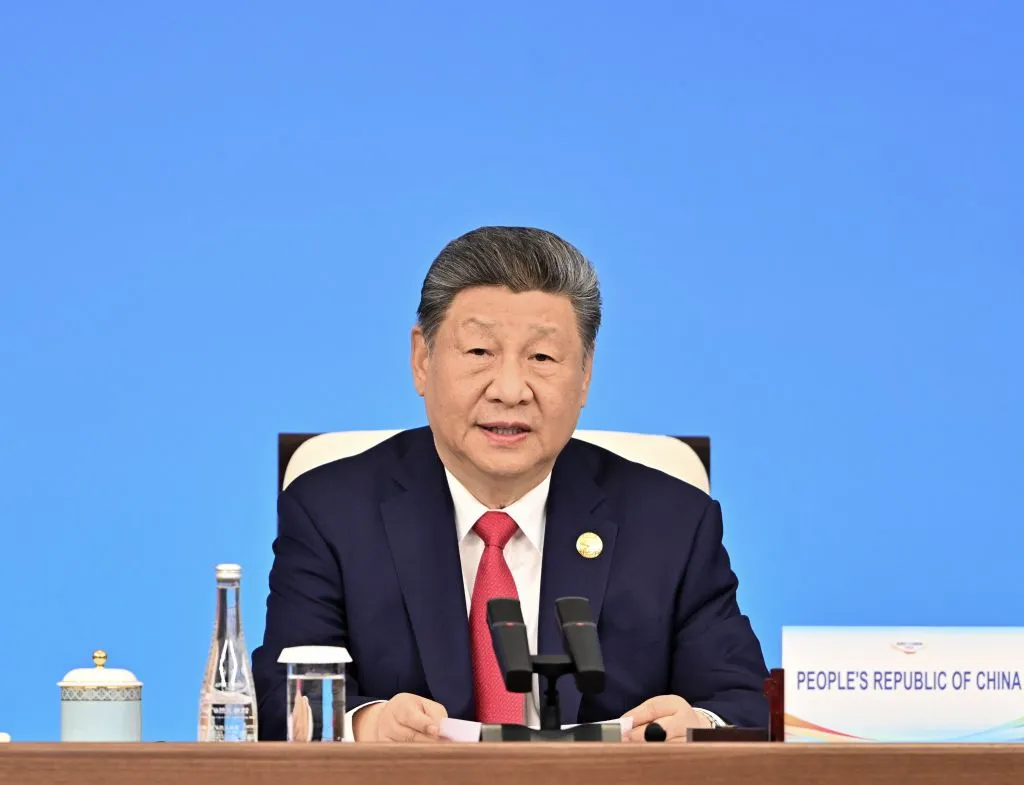
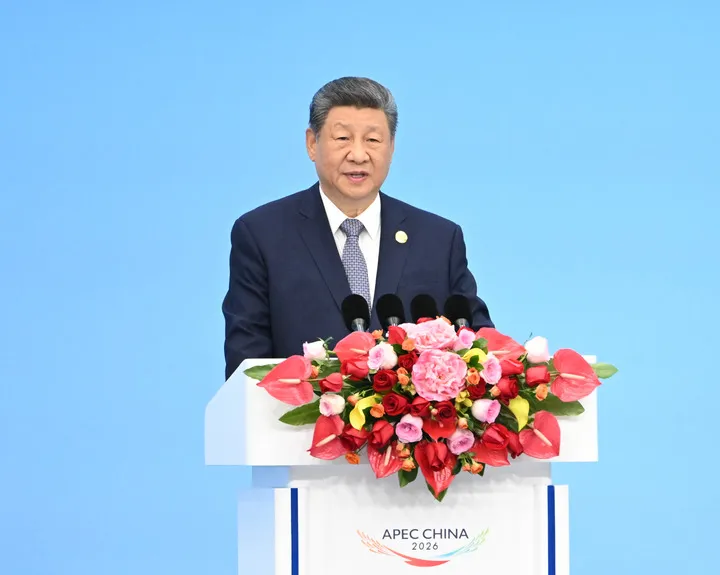
President Xi Jinping’s keynote address at the opening ceremony of the APEC CEO Summit 2026 in Shenzhen offers a significant perspective on the future of Asia-Pacific economic cooperation. Delivered at the Qianhai International Convention Centre under the theme “Strengthen Confidence, Advance with Resolve and Jointly Create a Bright Future for Asia-Pacific,” the address presented China’s vision of regional development based on mutual trust, shared opportunities, innovation and common prosperity.
The Asia Pacific is still playing an increasingly pivotal role in global economy and President Xi’s message is all the more significant. It is based on the conviction that the success of the individual economies is not the only factor for sustainable regional prosperity, but that the economies must also be strengthened and connected and provide opportunities for businesses and communities to cooperate and exchange across borders. His vision of a community of shared future and a community of common destiny for the Asia-Pacific region is based on trust and shared growth in the region’s economic development.
One of the main points of President Xi’s remarks was “peace and stability serve as the foundation of economic development. Asia-Pacific is one of the most vibrant and dynamic economies in the world today, having grown over the past few decades through people-to-people contact, industrial cooperation, trade and investment. Maintaining a stable regional environment is therefore fundamental for maintaining the business confidence, allowing long-term investment and supporting the ongoing improvement of regional supply chains. China’s requests for greater confidence and resolve in this context is an invitation for the economies to collaborate to create a more predictable and prosperous regional environment. Openness and cooperation are also stressed. The economic strength of the Asia-Pacific is closely connected with its extensive networks of trade, investment, production and technological exchange.
By leveraging their strengths and engaging in the evolving regional economic system, economies in the region have made impressive progress. President Xi’s concept of building bridges of openness and cooperation underscores the importance of inclusive economic engagement, in which countries have the opportunity to advance their development by leveraging other countries’ complementary strengths and resources. Another aspect of his speech worth noting is his proposal of an economic cooperation alliance of the major economic areas around the world in the bay. Asia-Pacific is home to some of the most vital bay-area economies in the world, which are centers of innovation, international trade, advanced manufacturing, finance and technological development.
In these areas, it is illustrated how geographical connectivity, industrial coordination, modern infrastructure and an innovation-friendly environment can lead to broader economic benefits. The Chinese government’s commitment to enhanced cooperation and connectivity between the key economic zones in the bays may provide further avenues for cooperation. This would foster the sharing of development experience, tighten the bond between the industrial ecosystem and foster business cooperation between research institutions and innovation centers.
It is also an opportunity to discuss new forms of regional economic cooperation that integrate the strengths of regional development with the broader international markets. It is the international business community that is particularly interested in President Xi’s mention of China’s 15th Five-Year Plan for 2026-2030. The document is not just a blueprint for what China will look like as it continues to develop its economy; it also offers some clues about the opportunities that are being created as the world’s second largest economy is transformed. With its growing size, industry, technological development and consumer market, China will continue to offer large opportunities for foreign companies with its development priorities.
The Chinese market is a key opportunity for businesses around the world. China has the largest middle-income group in the world, presenting a great opportunity for investment, consumption and industrial cooperation. President Xi pointed out new areas such as new-energy vehicles and smart household products, the silver economy, winter sports and tourism. These industries show the shifting tastes of consumers and the development of new growth centers. These areas offer opportunities for the international company to launch new products, build partnerships, introduce cutting-edge technologies and get in touch with China’s vast industrial and consumer networks.
The growing “silver economy”, for instance, leads to new avenues in health services, smart living solutions, technologies and in the elderly care sector and other industries. The same is true for the growth of winter sports and tourism, which create opportunities for cross-border cooperation in equipment production, hotel and catering, the development of infrastructure and cultural relations. The other important component of China’s development vision is innovation and green transformation. President Xi pointed out that innovation-driven development and the green transition are key trends in the Chinese economy. China’s “fast-track” strategy to build a modern industrial system and to promote the deep coupling of scientific and technological innovation and industrial innovation is a “scientific application-oriented” approach.
This direction is not limited to the development of Chinese industry, but extends beyond that. Cooperation related to AI, digital technologies, clean energy and advanced manufacturing and new-energy transportation can help improve productivity and generate new opportunities for cooperation. The Chinese innovation ecosystem is changing, providing opportunities for global companies to engage in research, technology development and industrial applications as well as cooperation in green supply chains. President Xi also underscored China’s support for multilateralism and the WTO-based multilateral trading system.
He put great emphasis on enhancing the cooperation in the economic and trade arena at international level which highlights the need to ensure an open and predictable environment for international trade. Through stable trade arrangements and continuous economic engagement, businesses can make informed investments and build partnerships and extend their economic activities across borders with greater confidence. China’s plan to cut tariffs, increase market access and promote reforms in rules, administrative procedures and standards is another step toward the improvement of the business climate.
For the manufacturing sector, the complete realization of market access measures; and for the services sector, the continued expansion of openness, may offer international companies wider opportunities to contribute to China’s economic development. These priorities also reflect the need to put economic aspirations into action in Asia-Pacific through cooperation. Harmonization of industry, connectivity, technology cooperation, exchanges of investments and closer interaction between the business sectors can help to boost regional prosperity. Companies are particularly important players in this process, driving innovation, jobs, trade and economic integration and therefore are a key driver of the private sector. Such a comprehensive vision is what President Xi is offering in Shenzhen, one in which confidence, openness, innovation and mutual benefit feed off each other.
The fact that its outcome has more importance than that in the perception of the ability of the Asia-Pacific economies to establish common opportunities and develop in harmony. China will be in a new era of development as per its 15th Five-Year Plan and its participation with the international business community and regional partners will continue to be a vital component of economic cooperation in the Asia-Pacific region. The words of Shenzhen are clear that brighter regional future can be achieved by leveraging each other’s strengths, deepening economic openness, advancing technology and mutual efforts towards prosperity.

Other Related Stories



Top News



National