
Chinese President Xi Jinping outlined a vision for a stronger Asia-Pacific community at the APEC Economic Leaders’ Meeting, emphasizing cooperation, innovation, and inclusive development.
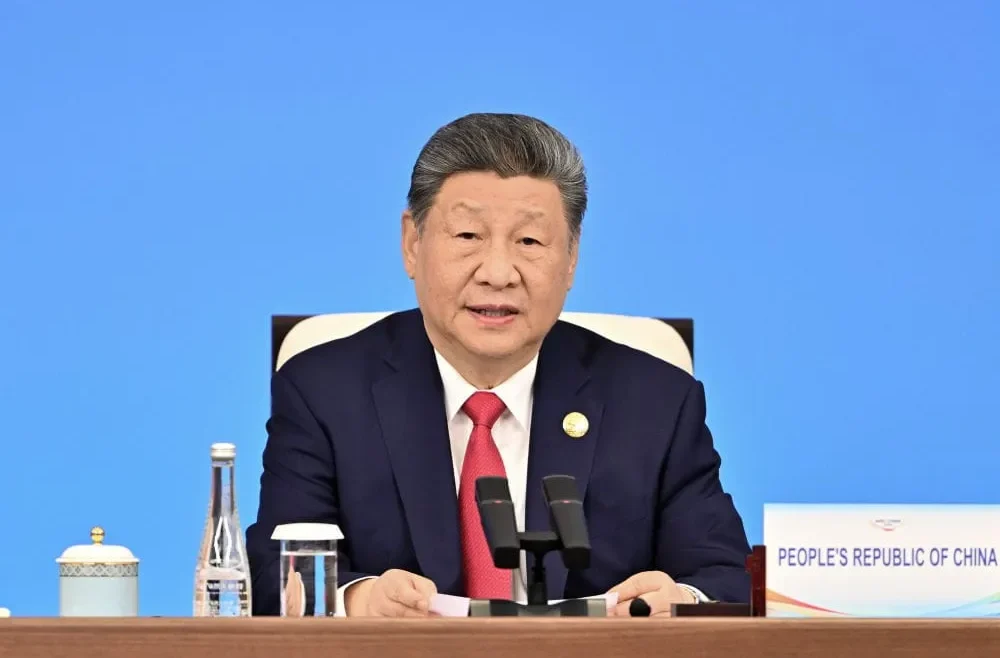
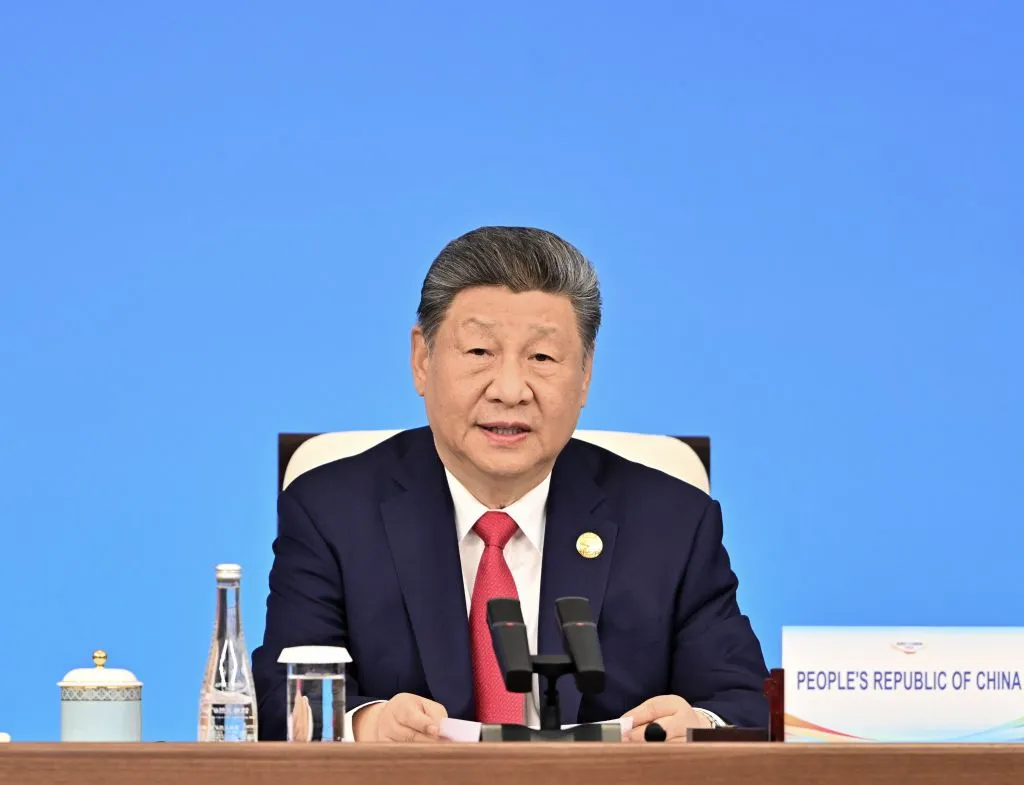
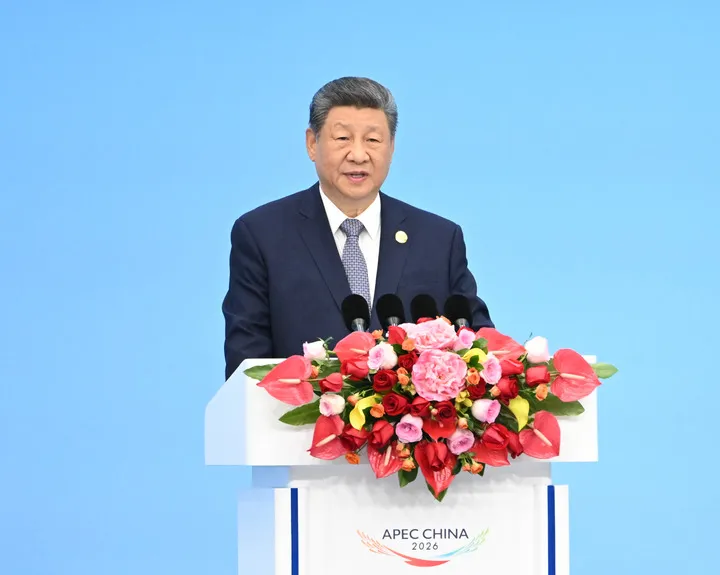
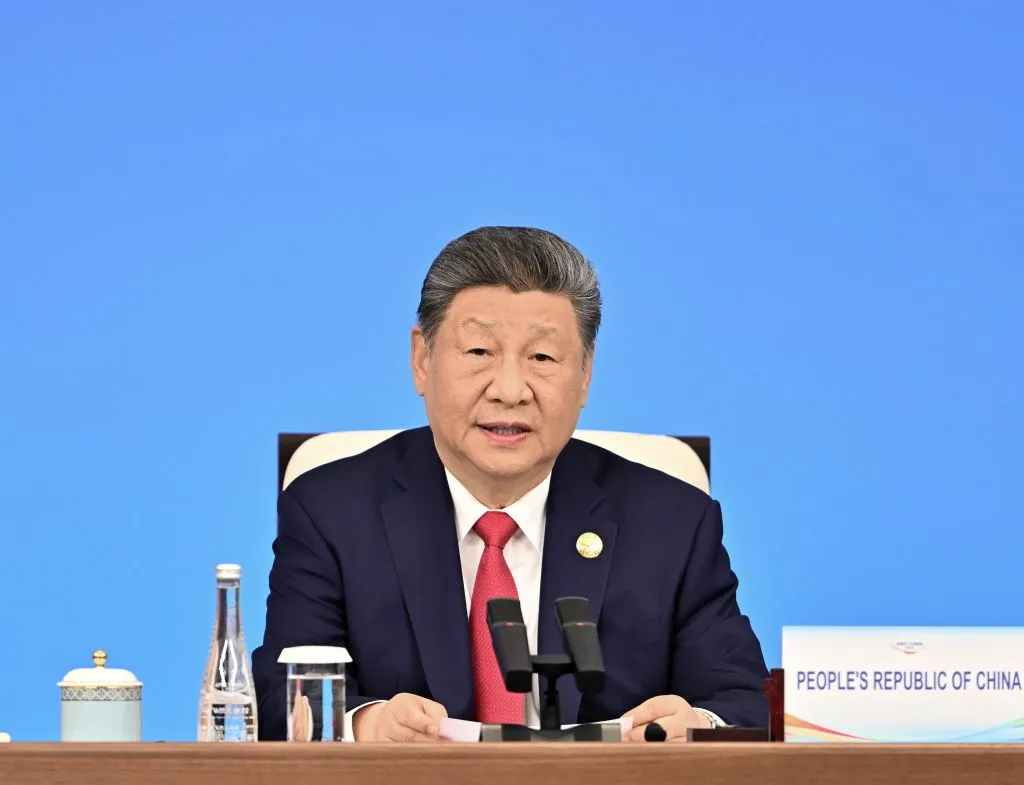
Chinese President Xi Jinping’s address at the 33rd APEC Economic Leaders’ Meeting in Shenzhen, titled “Building an Asia-Pacific Community: Promoting a New Chapter of the Asia-Pacific Miracle,” presented a forward-looking vision for regional cooperation, shared development and long-term prosperity.
The message he delivers is especially relevant in the context of the dramatic shifts in the international environment and the rapid pace of scientific, technological and industrial developments: Asia-Pacific needs to build on cooperation, openness and innovation, connect more closely and make development more inclusive. Asia-Pacific has been identified as one of the fastest growing engines of global economic growth.
It has been founded on a platform of increased trade, investment, industrial cooperation and the capacity of economies of varying development to go to work together. But the global climate is shifting, presenting new opportunities and challenging issues. The basis of economic development is being redefined by digital transformation, artificial intelligence, technological competition and energy security and changes in global supply chains. President Xi’s statement to “transcend the old and embrace the new” in terms of regional cooperation is timely and well-placed. At the heart of his vision is the building of an Asia-Pacific community based on cooperation, openness, connectivity, innovation and inclusive development. This way, it acknowledges that the region’s future prosperity can only be achieved through a coordinated effort at the national level. But countries must build mutual trust, coordinate policies, deepen practical cooperation and seek mutual interests instead.
The principle is that all economies must benefit from regional development and not increase existing divisions. President Xi set forth 4 focal points to build this community and provided a practical blueprint on how to implement it. First pillar is the economic and trade cooperation. Enhancing coordination of economic and trade agreements in the region, deepening policy dialogue on Free Trade Area of the Asia Pacific and enhancing the capacity of economies to engage in high standard economic and trade arrangements are key further steps in this direction. An optimal regional trade environment, one that is more integrated, can lower obstacles, enhance markets, promote investment and streamline supply chains.
In developing economies, greater cooperation in trade can also create opportunities to grow their exports, to capitalize on investment opportunities and to be more part of regional production networks. The second pillar is enhanced connectivity. President Xi stressed that the importance of enhancing hard connection, through more advanced infrastructure networks; soft connection, through more effective coordination of policies and regulatory frameworks; and people-to-people connections, through cultural and interpersonal exchanges. This is a full knowledge of connectivity. Roads, ports, railway and digital networks are crucial but can only be realized with supporting policies, effective institutions and people-to-people connections.
This also echoes the overarching spirit of the Belt and Road Initiative, where infrastructure development, trade facilitation, investment and people-to-people exchanges will be based on cooperation between countries. Geographical barriers can be overcome through better regional connectivity, with improved logistics, a better integration of supply chains and new opportunities for businesses and communities. Secondly, cultural and educational contacts can contribute to the development of understanding and trust between countries and provide a more solid social base for economic cooperation. The third pillar is innovation.
President Xi ‘strengthened digital infrastructure’, ‘enhanced regional data governance and cooperation’, created an open environment for innovation, extended the use of artificial intelligence and upgraded industries. The priorities are indicative of the growing importance of technology capabilities for economic competitiveness. New technologies, digital services, artificial intelligence and advanced manufacturing are reshaping the way products are made, exchanged and services are provided. In these areas, cooperation can facilitate the transfer of knowledge, skill building, and ensure that technological progress is applied for the benefit of economies as a whole.
Access to technology, innovation opportunities are particularly relevant for developing countries. Cooperation in the region can assist in digital capacity development, foster research collaborations and enable SMEs to take advantage of technology developments. An open and collaborative innovation space can also diminish development gaps and allow for more economies to contribute to an evolving digital economy. The fourth pillar is to enhance the building blocks of development. Partnerships on energy and food security, as well as actions for cross-border corruption prevention and counteraction, and for the responsible use and protection of natural resources are vital for sustainable economic growth. Good governance and environmental protection are essential for sustainable development, energy and food security are key pillars of social stability and economic resilience.
This pillar highlights the importance of the responsibility of using natural resources wisely and ensuring that needs of future generations are met in support of economic development. One particularly important part of President Xi’s speech was the commitment to concrete steps to back regional cooperation.
China will create cooperation mechanisms over digital technology, cross-border data flows, clean energy, cross-border small and medium-sized enterprise development, etc. These measures are targeted at fulfilling China’s promises on strengthening cooperation in the Asia-Pacific region. The proposed research Centre can serve as a forum for policy-makers, academics and regional stakeholders to share their insights, discuss shared challenges, and formulate policy recommendations. The digital economy based on cooperation in digital technology and cross-border data flows will help to build the foundations of the digital economy in the region and the transition towards more sustainable development through clean energy initiatives.
The support of SMEs is also crucial as they are important employers, entrepreneurship and economic activity drivers in the region. This vision presents significant possibilities for Pakistan and other developing countries. Enhanced regional connectivity, digital cooperation, clean energy partnerships and industrial cooperation can be the pathway to economic diversification and open new growth opportunities. Pakistan also has a long history of cooperation with China and the success story of China-Pakistan Economic Corridor, which it can learn from to further strengthen collaboration in areas of infrastructure, trade, technology, and agriculture/industrial development. Businesses can also become more involved in regional economic networks to gain linkages to broader markets and emerging supply chains.
It will take concerted action by all economies involved to make the best of these opportunities. Governments should enhance the business climate, boost institutional capabilities, and invest in human resources and promote more private-sector involvement. Cooperation should also be inclusive and respect the regional economies’ various development priorities and capacities. The message President Xi sends is an important one regarding the future of the Asia-Pacific: Prosperity is best achieved through cooperation and not division, openness and not protectionism, innovation and not resistance to change.
China’s proposal is a long-term, regional one that includes both trade and connectivity initiatives, as well as technical, research, and sustainable development efforts. The future of the Asia-Pacific miracle will rely on the capacity of regional economies to transform shared dream into a reality. The region can become a more resilient, innovative and prosperous future through building trust, increasing cooperation, and making development opportunities available to everyone. The concept of an Asia-Pacific community is a positive step towards the same goal that China has in mind.

Other Related Stories



Top News




National