There was a time when becoming a journalist required years of experience, newsroom training, professional ethics, a notebook, a pen and an almost unreasonable obsession with asking questions.
Today, apparently, all one needs is a smartphone, an internet connection, a front-facing camera and enough confidence to speak authoritatively about absolutely everything.

Welcome to the age of citizen journalism, where every person holding a mobile phone is potentially a journalist, every WhatsApp forward can become breaking news, every opinion is presented as an investigation and every viral video comes with its own court of public opinion.
The traditional reporter may spend hours verifying a story, while a social media influencer can deliver a verdict in 30 seconds, sometimes without knowing what actually happened.
But does popularity make someone a credible journalist? Not necessarily. A million followers do not automatically translate into a million verified facts.
Traditional journalism rests on verification, editorial scrutiny, multiple sourcing, accountability and the responsibility to correct mistakes. Influencers, by contrast, often operate without an institutional editorial framework. Their content may be engaging and immediate, but it can also be driven by personal interests, paid promotions, sensationalism and algorithms that reward controversy over accuracy.
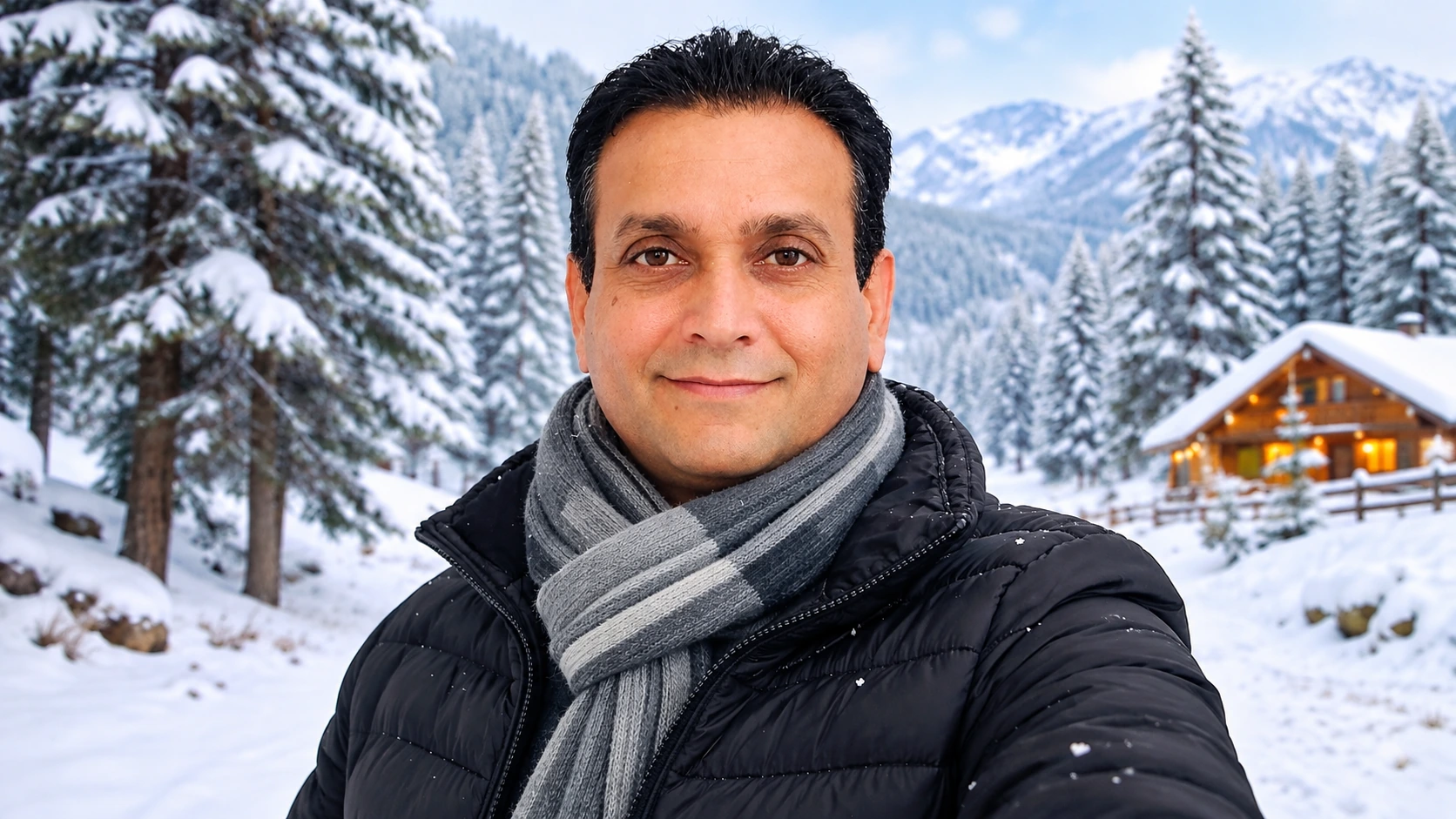
In the digital marketplace, credibility is often competing with choreography, facts with filters and investigative journalism with perfectly rehearsed selfies.
Unfortunately, algorithms do not pay much attention to whether a story is accurate; they care whether someone clicks, shares, comments or gets sufficiently angry to watch it twice.
Advertising has further blurred the distinction. Influencers can command lucrative commercial deals because brands value their direct access to audiences. Meanwhile, traditional newsrooms face declining advertising revenues, shrinking budgets and pressure to generate clicks.
The result is an uncomfortable paradox: those with fewer journalistic obligations can sometimes earn more and command greater public attention than those carrying the responsibility of professional reporting.
A product endorsement can sometimes earn more than a reporter’s monthly salary. Apparently, promoting a whitening cream is a more rewarding career than exposing institutional failures. The influencer gets a brand deal; the journalist gets another assignment and perhaps a reminder that the deadline was yesterday.
Yet journalists cannot blame influencers alone for their declining influence.
In countries such as Pakistan, restrictions, intimidation, censorship and pressure from state quarters can seriously undermine investigative journalism. The Prevention of Electronic Crimes Act (PECA), particularly its amendments, has intensified concerns about the use of cybercrime legislation to regulate online expression, restrict dissent and potentially discourage critical reporting.
When journalists face threats, legal consequences, editorial interference or professional isolation for questioning powerful institutions, the space for independent reporting inevitably shrinks.
State censorship, whether imposed directly or through informal instructions, pressure on media owners, restrictions on coverage or self-censorship within newsrooms, creates an environment in which uncomfortable questions are increasingly avoided.
The consequences extend beyond traditional media: digital journalists, independent commentators and ordinary social media users can also find themselves navigating an uncertain regulatory environment.
Islamabad-based Dunya News journalist Khawar Nawaz Raja stated that he does not consider YouTubers to be media professionals, emphasising that journalism requires formal academic qualifications, training, and experience. “If a social media influencer is employed by a registered media organisation, they are a journalist; if not, they aren’t, regardless of having millions of followers,” he explained.
Raja further noted that a credible regulatory policy must protect users from harassment, disinformation, and abuse without being weaponised to silence criticism. He warned that regulation lacking transparency and independent oversight risks eroding public trust rather than restoring it.
A government cannot fight misinformation by making uncomfortable information disappear. Nor can restricting criticism be confused with protecting national interests.
Gagging the media is not simply an attack on journalists; it deprives citizens of their right to know. When the messenger becomes the target, the message is often lost, and accountability becomes the casualty.
However, it would be equally convenient, and intellectually dishonest, to attribute every weakness in journalism to state pressure.
There is another uncomfortable reality: has journalism itself become too comfortable with routine reporting? Press releases, official statements, event coverage and recycled political arguments often dominate newsrooms, while investigative reporting demands time, resources, courage, persistence and institutional protection.
Sometimes, the biggest investigation a newsroom undertakes is finding a fresh headline for an old press release. The journalist who asks an uncomfortable question may be considered troublesome, while the one who faithfully reproduces an official statement is praised for meeting the deadline.
But there is a human story behind this professional decline, and it deserves more attention than it receives.
The same journalist returns home to electricity bills, school fees, house rent, grocery expenses and family responsibilities. Inflation does not offer a special discount to those who defend the public interest. Nor does the utility company accept an investigative story as payment for an electricity bill.
Today, a journalist who questions powerful people may risk professional isolation, while one who challenges the newsroom’s commercial or editorial interests may risk losing his job. Some become dependent on access to influential sources, making critical reporting an uncomfortable career choice. Others gradually learn that asking fewer questions can make professional life considerably easier.
This is where the industry must look at itself in the mirror.
Economic hardship cannot become a permanent excuse for professional complacency. Journalism also needs intellectual curiosity, ethical courage, independent thinking and a willingness to go beyond the assignment.
Not every reporter is a victim of censorship, and not every journalist who avoids investigative work is necessarily under state pressure. Sometimes, the problem is a lack of initiative, professional ambition or the courage to step outside the comfort zone.
A press card provides access, not courage. A newsroom provides a platform, not necessarily independence. And a journalist’s designation means little if the questions stop at the newsroom door.
The real crisis, therefore, is not that influencers are becoming more powerful. It is that sections of mainstream journalism are surrendering the very qualities that once made them indispensable.
Influencers may win the battle for attention, but journalists must reclaim the battle for truth. That requires more than resisting censorship. It demands better-paid journalists, independent editorial policies, investigative training, stronger source protection, transparent corrections, safeguards against the misuse of PECA, a rights-based social media policy and a newsroom culture that rewards original reporting rather than merely counting clicks.
Media owners, too, must recognise that journalists are not disposable content-producing machines. Their professional independence cannot survive indefinitely on unpaid overtime, insecure contracts, unrealistic targets and salaries that lose their value before the month ends. If the industry wants extraordinary journalism, it must stop offering ordinary working conditions.
Ultimately, public trust cannot be demanded through a press card, a television studio or a million social media followers. It has to be earned through credibility, consistency and accountability.
The uncomfortable truth is that influencers did not necessarily take journalism’s place; in some instances, journalism simply vacated its own space.
Because when journalists stop asking uncomfortable questions, someone else will start answering them, whether they have the facts or not.
And when everyone becomes a journalist, the most endangered species in the information business may well be the journalist who actually does journalism.