Garment workers in Bangladesh have achieved a 36% wage increase after weeks of protests. The new minimum wage will be 17,000 taka, effective January.
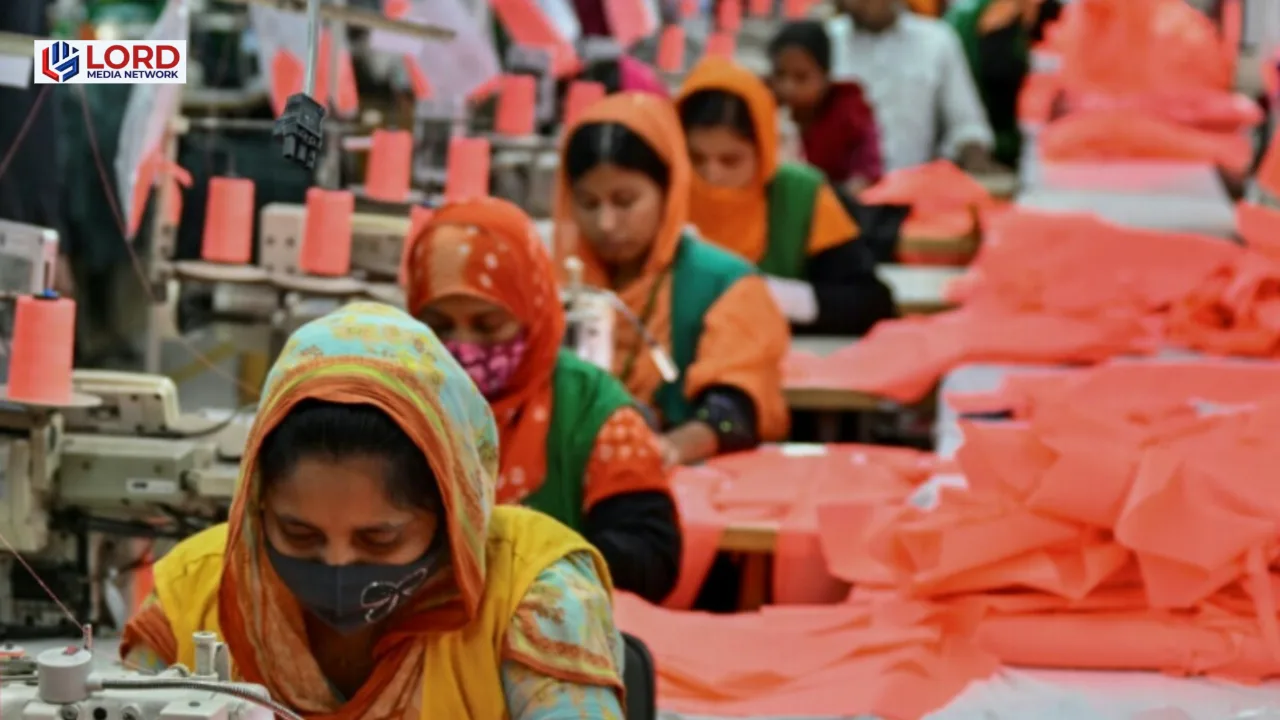
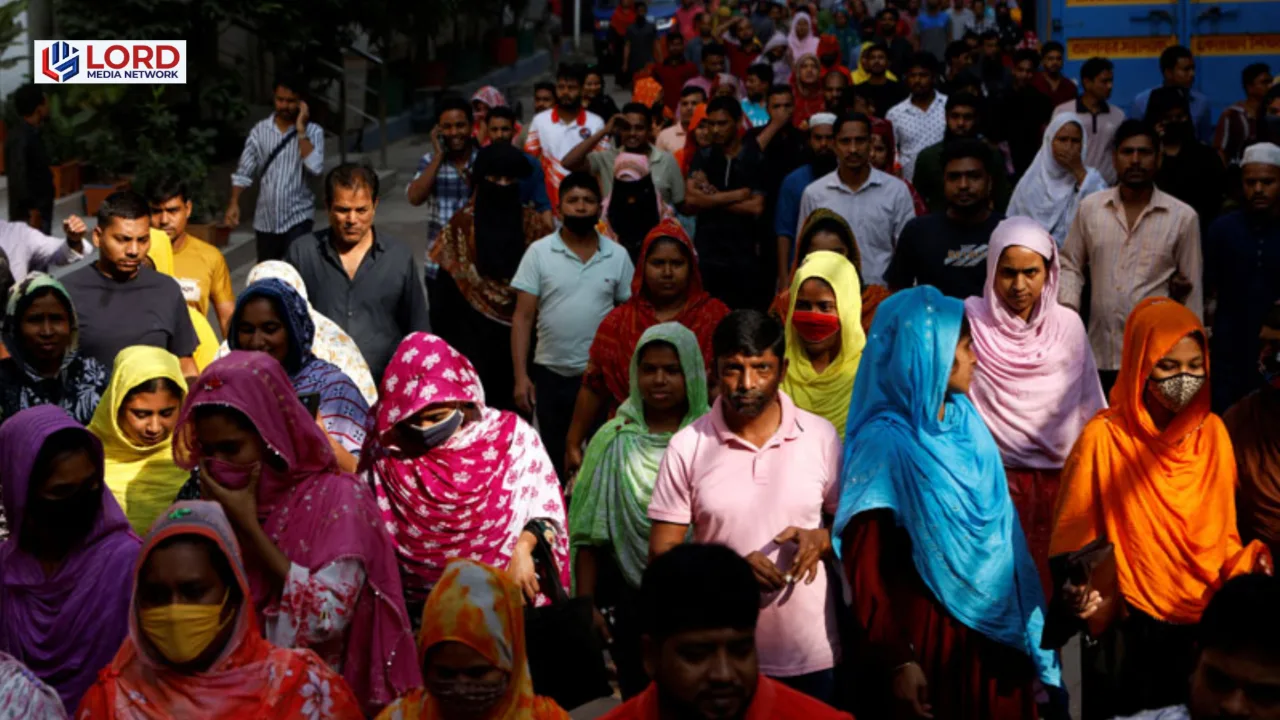
DHAKA, Nov. 25 (Lord Media): Garment workers in Bangladesh have secured a 36 percent increase in the minimum monthly wage following weeks of protests, some of which turned violent and caused hundreds of millions of dollars in business losses.
The agreement was reached on Wednesday after lengthy negotiations between workers’ representatives and factory owners. The revised minimum wage will rise to 17,000 taka from the previous 12,500 taka and take effect in January.
Judge Syed Azad Subhani, chairman of the government-appointed garment industry wage board, said a majority supported the revised minimum wage following a vote early Wednesday.
Babul Akhter, the workers’ representative on the wage board, said the outcome was not entirely satisfactory but represented progress, noting that workers had previously received wage revisions every five years, compared with the current three-year interval.
Workers’ representatives urged employees to return to factories following the agreement. However, their response to the deal remained uncertain after clashes with police in industrial areas on Tuesday.
Workers had initially demanded a minimum monthly wage of 30,000 taka, arguing that their earnings had failed to keep pace with rising costs of food, housing, transport and health care.
Bangladesh, the world’s second-largest garment exporter after China, has witnessed widespread demonstrations since October.
The garment industry is a major pillar of the country’s economy, accounting for around four-fifths of export earnings and employing more than four million people. Its products are supplied to markets across Europe and North America.
The wage hike will take effect in January. LORD
Other Related Stories



Top News

National