Bangladesh’s garment workers win a 36% wage hike after protests. Industry faces significant losses. Wage hike effective January.
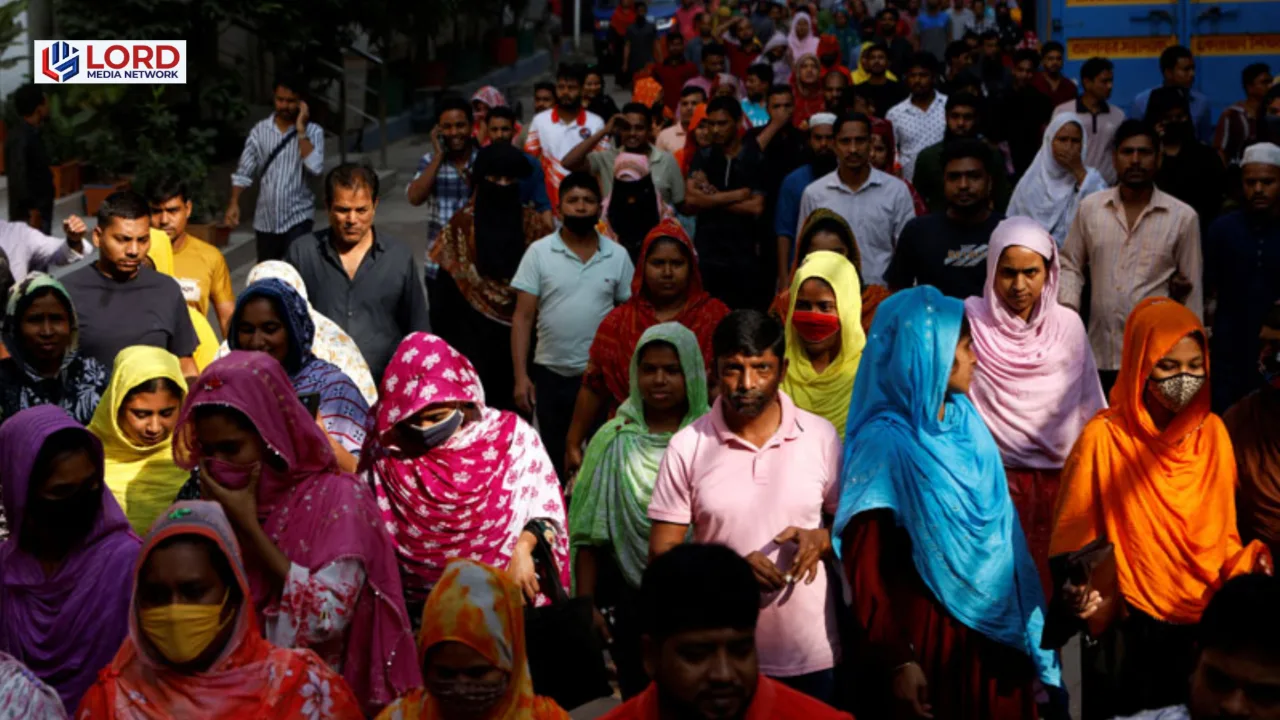
DHAKA (Lord Media): Bangladesh’s garment workers achieved a 36 percent increase in their minimum wage on Wednesday following weeks of protests that led to significant business losses.
The country, the second-largest garment exporter after China, witnessed widespread demonstrations since October as workers demanded higher wages. The garment industry is crucial to Bangladesh’s economy, contributing four-fifths of export earnings and employing over four million people.
After extensive negotiations with factory owners, workers’ representatives encouraged a return to work. “While not fully satisfied, the result is acceptable,” said Babul Akhter, a labor representative on the wage board.
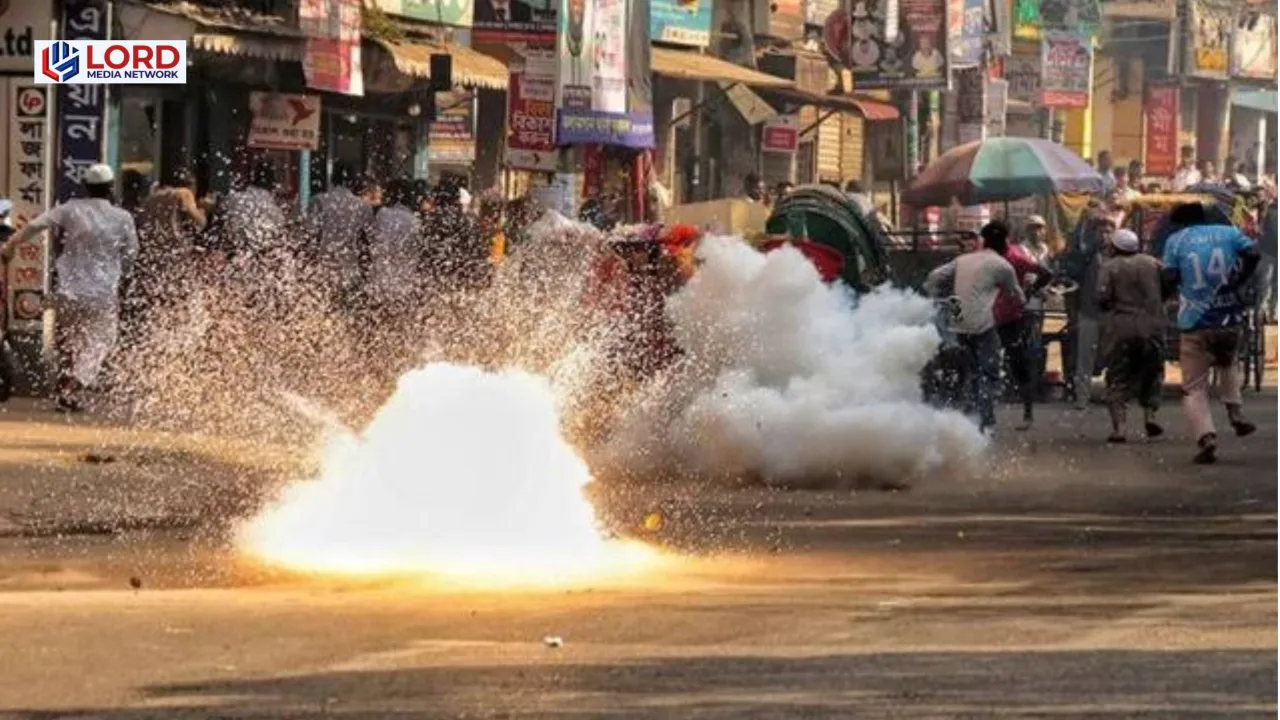
Previously, wage revisions occurred every five years, but this time, they happened after three years. On Wednesday, protests in Gazipur, near Dhaka, were dispersed by police using tear gas and stun grenades.
Workers initially demanded a minimum monthly wage of 30,000 taka, up from 12,500 taka, citing rising living costs. Judge Syed Azad Subhani, chair of the wage board, stated that the majority supported a 17,000 taka minimum wage, effective January.
The Bangladesh Garment Manufacturers and Exporters Association reported losses of 428 million U.S. dollars due to the protests, with orders worth 254 million U.S. dollars shifting to other countries.
The garment industry, earning around 38 billion U.S. dollars annually, supplies major brands and is vital to Bangladesh’s economy. The sector transformed the nation from an agricultural economy into a manufacturing hub.
Despite its success, the industry faces ongoing issues with wages and labor rights. The 2013 Rana Plaza disaster highlighted safety concerns, prompting international efforts to improve standards. LORD
Other Related Stories



Top News

National