
Pakistani astronaut Muhammad Zeeshan Ali embarks on a historic space mission with China, marking a milestone in scientific cooperation.
Pakistani astronaut’s departure to space mission may boost scientific advancement: officials, experts

“I am happy, proud and tankful to embark on this mission. I was undergoing various training stages, including rescue and survival training and procedures for handling emergency situations.”
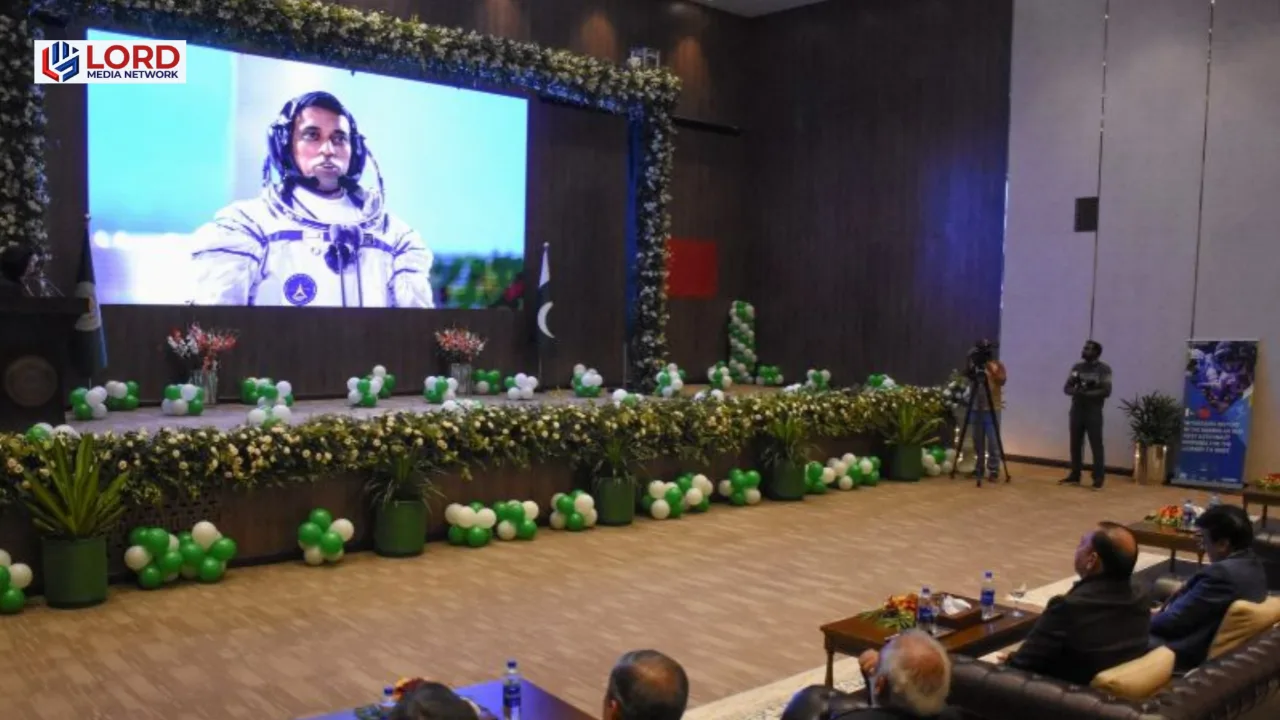
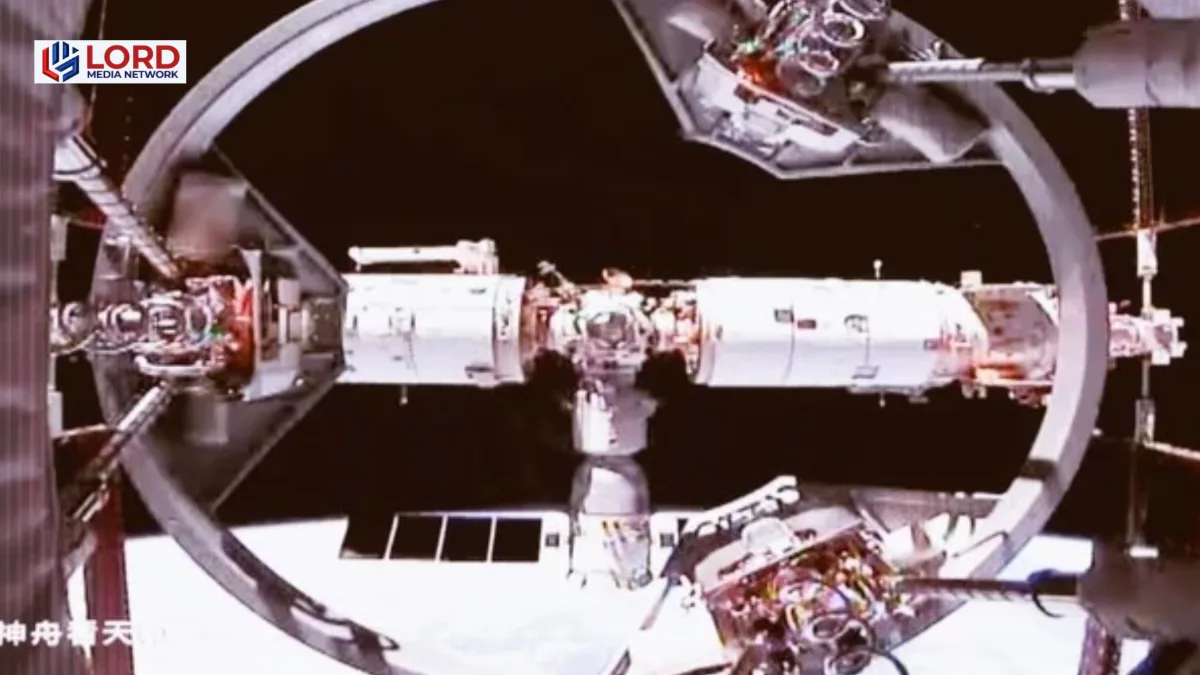
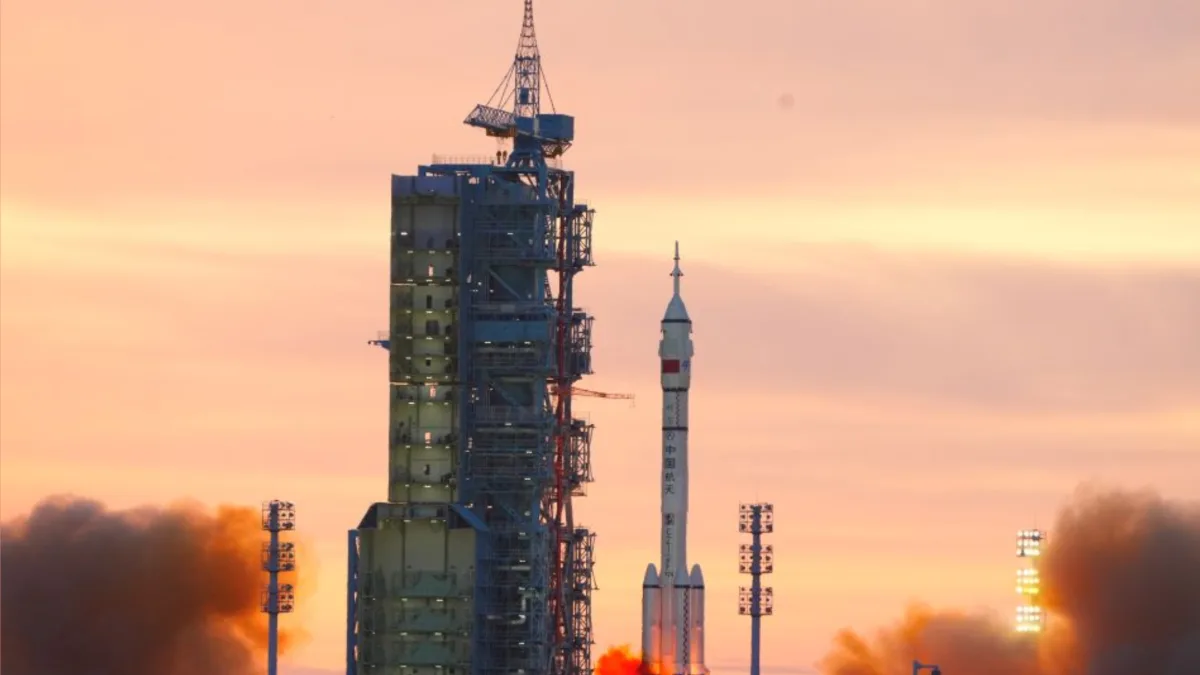
These were the remarks of Pakistani astronaut Muhammad Zeeshan Ali, who is part of the mission, as Pakistan’s first astronaut, aboard China’s Shenzhou-24 space mission to the Tiangong Space Station marking a historic milestone in the country’s journey towards scientific and technological development.
“I consider myself fortunate to have such excellent colleagues who understand and respect each other’s opinions and work together through mutual cooperation, coordination and friendship to develop joint strategies for dealing with any situation,” said Ali.
This achievement not only signals the beginning of a new era for Pakistan’s space program but also reflects the growing heights of scientific cooperation between Pakistan and China.
The most significant aspect of the mission is that Pakistan is sending one of its citizens into orbit through a human spaceflight mission for the first time. Muhammad Zeeshan Ali will serve as a payload specialist aboard China’s space station and participate in various scientific experiments alongside Chinese astronauts.
The mission has attracted attention not only in Pakistan and China but also across the world. Extensive international media coverage reflects the significance of this development, which is being viewed as another important achievement in the strong diplomatic relations and growing cooperation between the two countries.
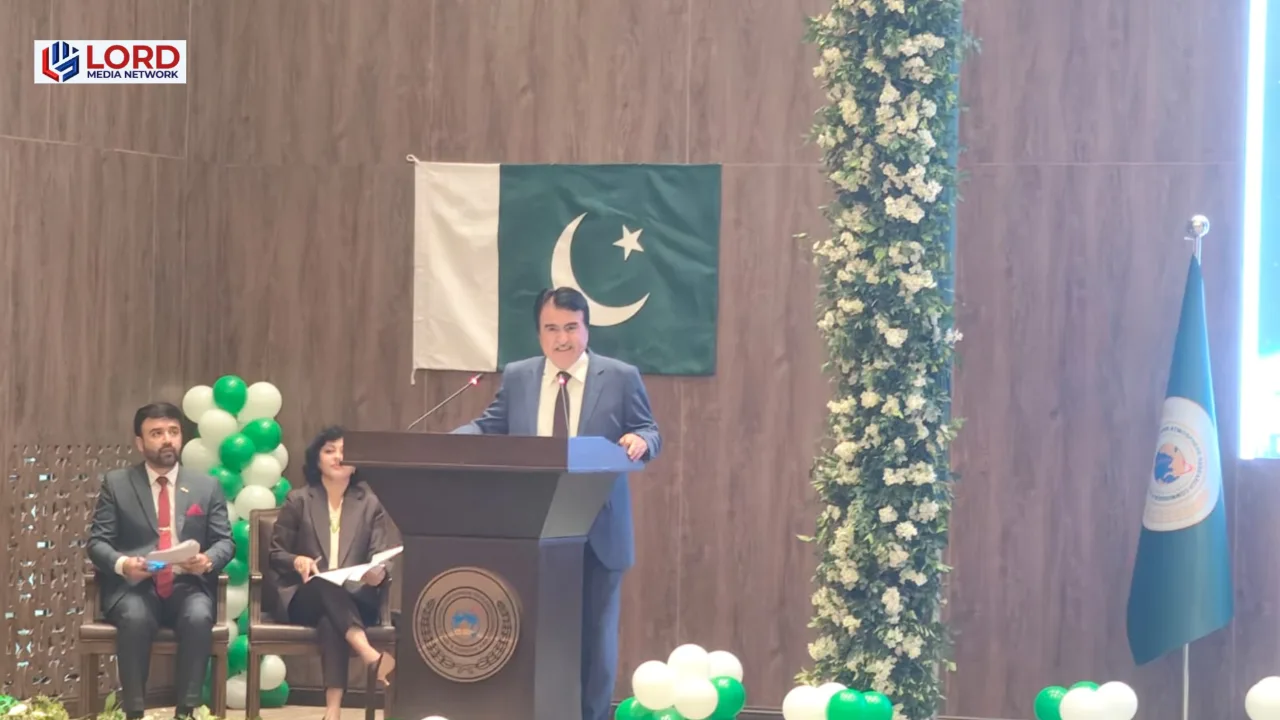
Prime Minister Shehbaz Sharif said Pakistan would look towards the skies with hope, pride and deep gratitude as the Shenzhou-24 mission prepares to carry a Pakistani astronaut to China’s Tiangong Space Station. In a post on social media platform X, he said the nation stands on the threshold of a historic moment and that this achievement belongs to every Pakistani.
The prime minister paid tribute to SUPARCO, academic institutions and scientists, saying their contributions, alongside the efforts of the Armed Forces and national institutions, reflect Pakistan’s growing capabilities and determination to reach new frontiers in space exploration and scientific advancement.
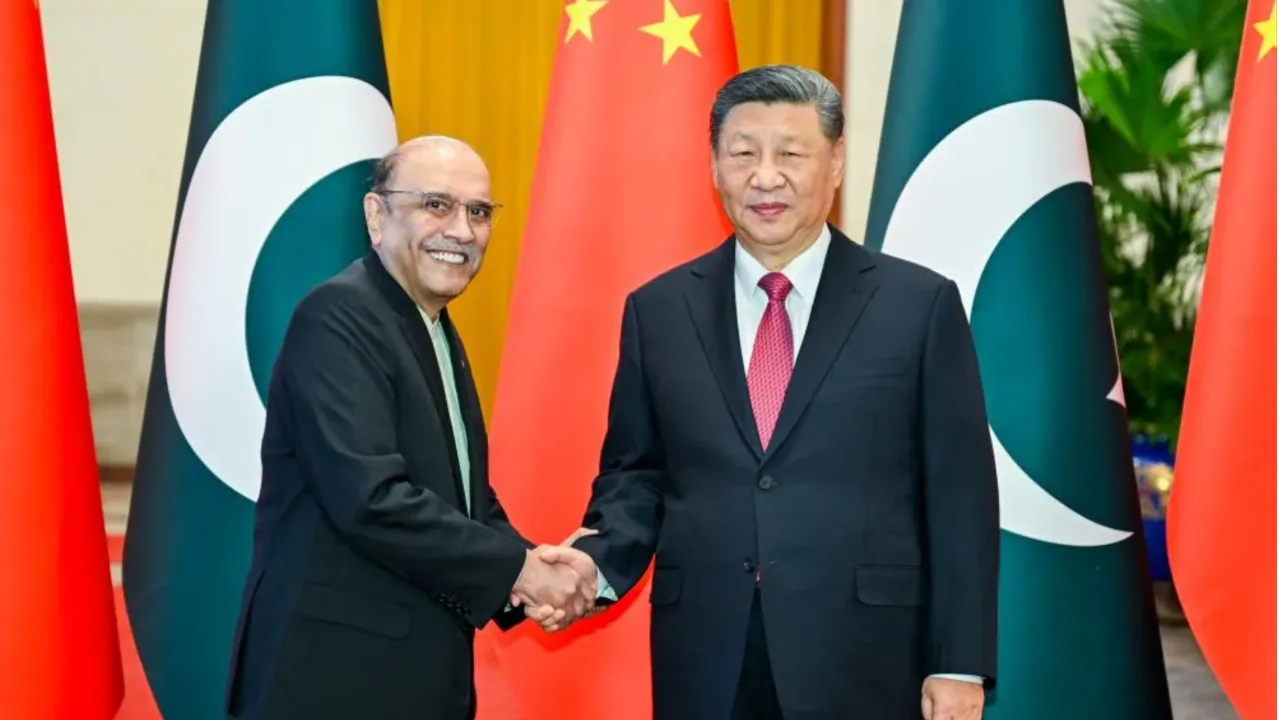
He also expressed his heartfelt gratitude to Chinese President Xi Jinping, whose leadership and unwavering commitment to Pakistan-China friendship have taken the All-Weather Strategic Cooperative Partnership to new heights.
Chinese Foreign Ministry spokesperson Guo Jiakun said China and Pakistan are all-weather strategic cooperative partners. He noted that this joint mission marks another important achievement in bilateral cooperation as the two countries celebrate the 75th anniversary of the establishment of diplomatic relations. He also expressed his best wishes for the success of the historic mission.
Ali said this friendship reflects the friendship between Pakistan and China. The two countries have been working together in the space sector for a long time, and this is the first time they are jointly participating in a spaceflight mission. He added that the mission had been assigned several important objectives and that they would conduct various experiments in space for the benefit of humanity.
According to Pakistan’s space research agency, SUPARCO, Muhammad Zeeshan Ali’s primary responsibility as a payload specialist will be to conduct Pakistan’s scientific experiments under microgravity conditions aboard the space station. These experiments, developed in collaboration with Pakistani universities and researchers, cover important fields including materials science, fluid physics, biological sciences and biotechnology. Their findings could contribute to climate resilience, food security and industrial innovation.
The space cooperation agreement signed between Pakistan and China in February 2025 laid the foundation for this development, providing Pakistani astronauts with opportunities for advanced training in China and participation in human spaceflight missions. Four joint scientific projects will be undertaken during the mission, with their findings expected to open new avenues for medical research, advanced materials, biological research and industrial technology.
Ordinary citizens also view this development as a moment of national pride and hope for the future. Farhan Ahmed, a resident of Islamabad, said he had always heard remarkable stories about Pakistan-China friendship, but witnessing China opening the doors of its space mission to Pakistan was a matter of pride.
He said inviting a foreign astronaut to participate in a country’s space mission and working together was no ordinary achievement, adding that it reflected the depth of the partnership between the two countries.
Burhan Ahmed, a PhD student at the International Islamic University Islamabad, said China’s joint space mission with Pakistan had demonstrated its willingness to share its achievements with other countries. He described the development as a rare opportunity for Pakistan to modernize its space research, adding that the journey of a Pakistani astronaut would open new doors for space research in the country and encourage greater interest among the younger generation, with positive effects extending to other fields as well.
The development is expected to create opportunities for Pakistani universities, research institutions and young scientists to participate in advanced space research. Knowledge gained through experiments conducted under microgravity conditions could also support future advancements in medical science, advanced materials, biological research and industrial technology.
According to experts, China’s confidence in Pakistan through this mission reflects the depth of mutual relations and cooperation between the two countries. The space journey will create new opportunities for science and research in Pakistan while encouraging the younger generation to pursue emerging scientific fields.
The joint space mission sends a message that mutual trust, knowledge sharing and collaborative scientific efforts can help discover new horizons of development. The development will be remembered as an important milestone in Pakistan’s space program and the longstanding friendship between the two countries.

Other Related Stories







Top News


National