Iran urges remembrance for 168 children and teachers killed in US airstrikes on Minab school, highlighting ongoing trauma for survivors.
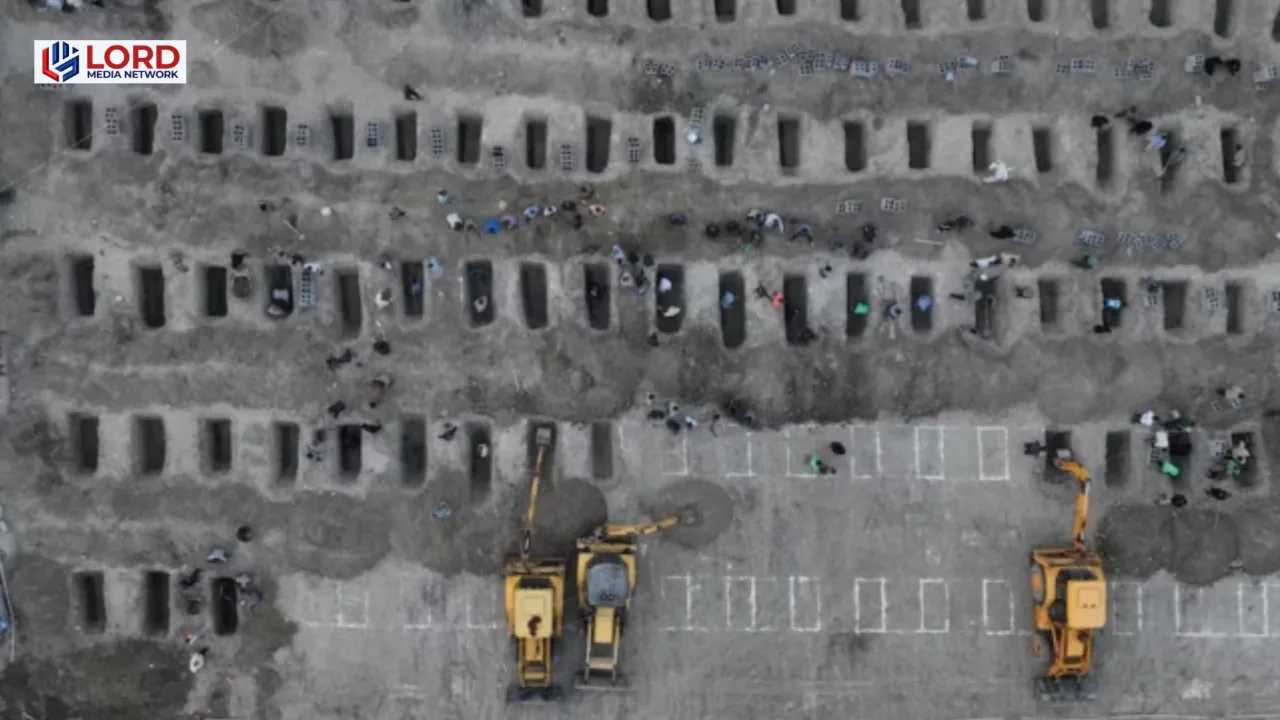
TEHRAN, Nov. 21 (Lord Media): Iran’s mission to the United Nations has urged the international community to remember the 168 children and teachers killed in US airstrikes on a school in the southern city of Minab on February 28, while highlighting the ongoing trauma suffered by survivors.
In a statement posted on social media platform X on Friday to mark World Children’s Day, the mission said two U.S. airstrikes had struck the school, killing 168 children and teachers.
“Let’s give voice to the suffering of Minab’s innocent children. Let’s honour the memory of them,” the mission said.
The statement also highlighted the condition of around 300 students who survived the attacks but continue to experience severe psychological trauma and require long-term care, treatment and support.
“The people of Iran will never forget the tragedy of Minab’s children, whose lives were brutally taken in U.S. airstrikes,” the mission added.
A UN-backed fact-finding mission recently said there were reasonable grounds to believe that the United States had committed war crimes in two Tomahawk missile strikes in Iran, including the attack on the Minab school.
U.S. Defense Secretary Pete Hegseth previously said the Pentagon was investigating the incident but provided no details about accountability or a timeline for the inquiry.
The children killed in the strikes were reportedly between seven and 12 years old. The attacks took place on February 28, the first day of the ongoing U.S. war on Iran.
Meanwhile, the US Treasury Department announced new sanctions on Friday against Iranian oil traders and individuals it accused of helping Tehran sell oil abroad and diverting the proceeds.
The department said the measures were part of Operation Economic Outcast and were imposed under two executive orders targeting Iran’s petroleum, petrochemical and aviation sectors, as well as activities covered by U.S. counterterrorism authorities.
“Iran’s tyrannical regime never fails to put its own interests before those of its own citizens, even as ordinary Iranians face shortages of bread and fuel,” Treasury Secretary Scott Bessent said in a statement.
Bessent also claimed that Iran had exhausted its seaborne oil supply and might not receive revenue from oil it had already sold.
The Treasury Department said no oil had been loaded onto vessels since the operation began and that no Iranian oil was being transported outside the U.S. military blockade. It said Tehran was attempting to recover billions of dollars in oil revenue held by intermediaries.
According to the department, Mohammad Javad Bavand, a former Islamic Revolutionary Guard Corps intelligence officer, and Majid Taj, brother of the head of the Iranian Football Federation, led a network involved in selling oil from Iran’s dwindling reserves despite owing billions of dollars to the government.
The sanctions also targeted Mohammadhossein Servati, son of IRGC Brigadier General Mohsen Servati, and Mojtaba Arabnejad, son of Mahan Air CEO Hamid Arabnejad.
The department alleged that Servati held executive positions at companies operated by Sepehr Energy Jahan Nama Pars Company, which Washington has designated as a front company. It also accused Arabnejad of purchasing aircraft parts and procuring weapons for the Iranian military.
Separately, the US State Department said the four individuals had been involved in illicit oil sales to fund Iran’s military and its support for terrorism. The department also described Mahan Air as an airline used by Iran to transport weapons and fighters for the IRGC-Quds Force.
The Treasury Department said Washington would continue efforts to restrict Tehran’s access to revenue that it says supports destabilizing activities in the region and threatens US partners. LORD
Other Related Stories





Top News

National