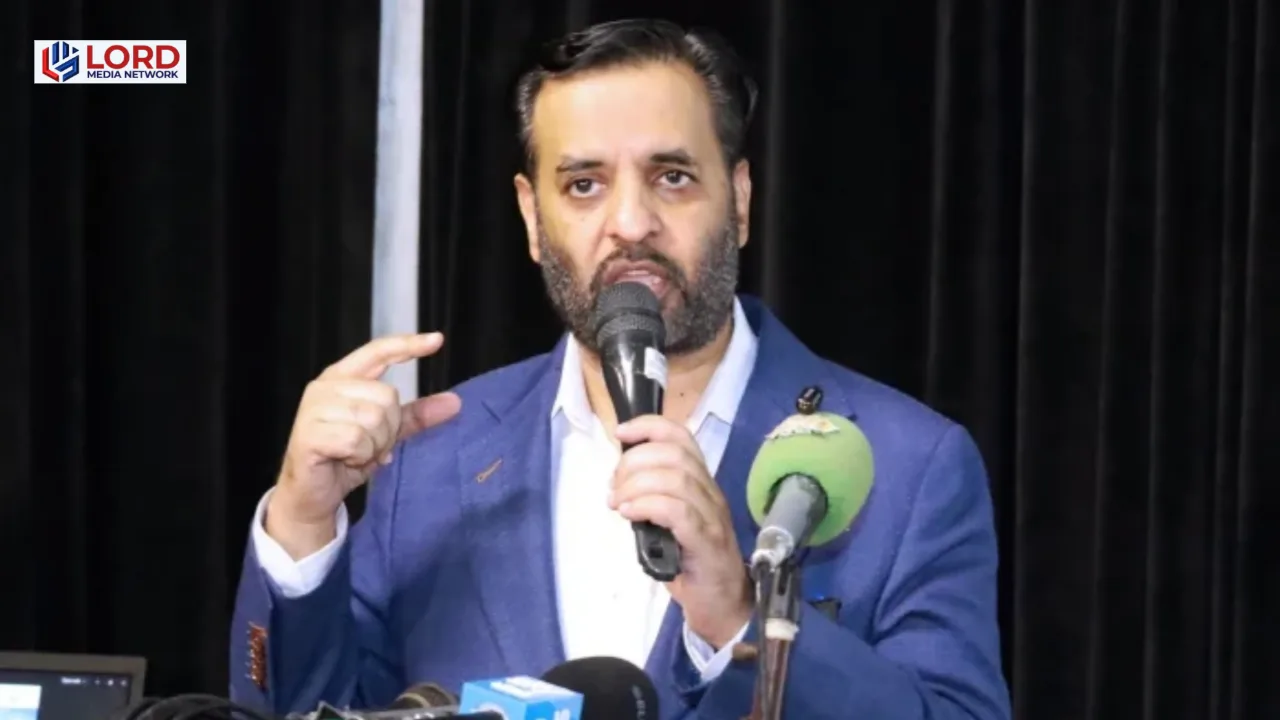
Bilawal Bhutto Zardari supports PM Shehbaz Sharif’s full five-year term, emphasizing economic recovery and national prosperity.
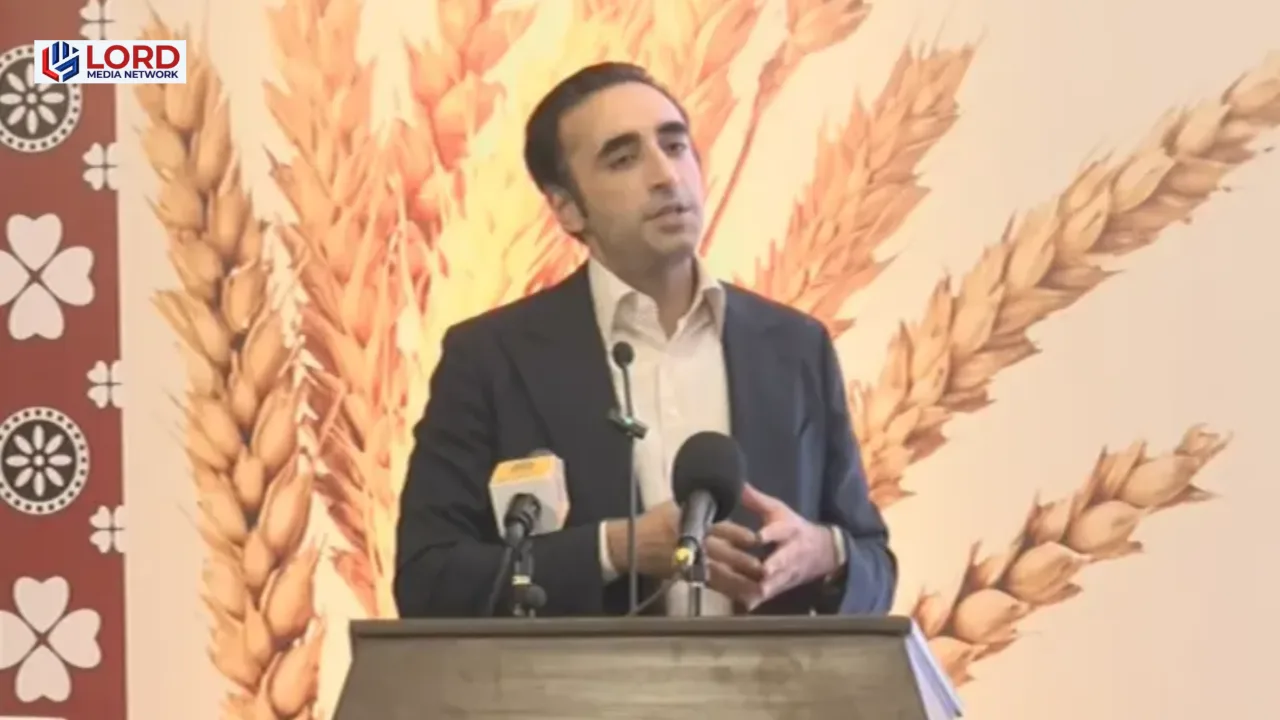
KARACHI, Nov. 20 (Lord Media): Pakistan Peoples Party (PPP) Chairman Bilawal Bhutto Zardari has expressed support for Prime Minister Shehbaz Sharif’s efforts to address the country’s economic challenges, saying he wants the premier to become the first prime minister in Pakistan’s history to complete a full five-year constitutional term.
Addressing an event in Karachi on Friday, Bilawal said he had helped Shehbaz become prime minister twice and wanted to strengthen his position so he could concentrate on economic recovery and national prosperity.
“I want to strengthen the prime minister’s hands, unlike conventional Pakistani politicians, so that he can focus on Pakistan’s economic prosperity,” Bilawal said, while expressing his hope for the premier’s success.
Discussing the economic situation, the PPP chairman said he had never witnessed such difficult circumstances in his lifetime. He said the conflict involving Iran had added to inflationary pressures, with people across Pakistan facing its economic consequences.
Bilawal warned that economic difficulties could intensify if the regional conflict continued, adding that the absence of a peace agreement was prolonging uncertainty. He also cautioned that fertilizer supplies could become difficult to maintain.
Calling for measures to protect the public from rising costs, Bilawal said governments worldwide were considering relief packages for their populations and Pakistan should also explore ways to ease the financial burden on citizens.
He highlighted inflation, unemployment and poverty, saying households were already struggling with rising diesel, electricity and gas prices. He also criticized political leaders and those in positions of power for what he described as inadequate attention to public concerns.
Bilawal said the PPP had consistently advocated for small farmers and peasants, emphasizing that agricultural support should remain a priority during economic difficulties.
He said small farmers accounted for 90 percent of the agricultural sector and cited the Benazir Hari Card as an initiative designed to provide financial assistance to farmers and small landowners in Sindh.
Under the scheme, farmers cultivating their own land of up to 25 acres would receive assistance, while financial support of 4,000 rupees per acre was also being provided, he said.
Bilawal welcomed the government’s decision to declare Tharparkar and Umerkot disaster-hit districts and described the provision of 8,000 rupees to affected families through the Benazir Income Support Programme as a positive measure.
“The PPP believes in supporting people during economic crises and prioritizes providing relief and free healthcare facilities to the public,” he said.
Commenting on the federal government’s economic policies, Bilawal said Pakistan had narrowly avoided default and its economic direction had been corrected.
However, he argued that Shehbaz had not received sufficient opportunity to develop and implement his own economic strategy or bring political parties together to formulate a collective response to the country’s challenges.
The PPP chairman also suggested that some members of the prime minister’s team were pursuing their own agendas, complicating efforts to address national issues.
Bilawal said no single political party, or even an alliance of two parties, could resolve the country’s challenges without broader political cooperation.
Referring to opposition parties, he said Maulana Fazlur Rehman and members of Imran Khan’s party were represented on the opposition benches and should be engaged in parliamentary processes.
Despite his political differences with Imran Khan and what he described as the former prime minister’s mistakes, Bilawal said dialogue with his party was necessary to ensure its participation in parliament.
He urged the government to approach opposition parties and encourage their return to parliamentary engagement, saying political differences, stubbornness and revenge should not take precedence over national interests.
Bilawal also said ordinary citizens were more concerned about inflation and their daily economic difficulties than political debates over the creation of additional provinces.
He maintained that he had the right to present his proposals and political position before the public, while the decision to consider them rested with the prime minister. LORD
Other Related Stories




Top News
National