
A Vulcan rocket failure resulted in the loss of 40 Amazon internet satellites, marking the first mission failure for United Launch Alliance.
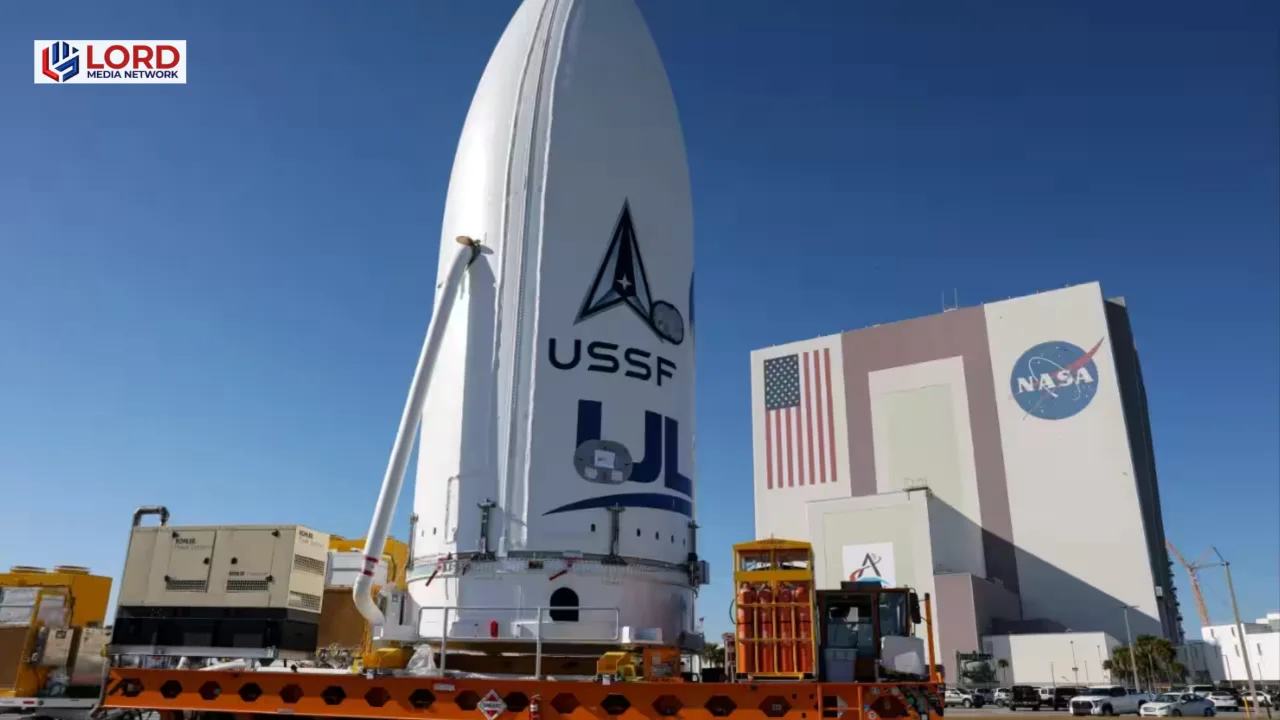
CAPE CANAVERAL, Nov. 16 (Lord Media): A Vulcan rocket operated by United Launch Alliance (ULA) failed about 10 minutes after liftoff from Florida on Sunday, destroying its payload of 40 satellites for Amazon’s Leo internet network in the launch company’s first mission failure.
The rocket launched from Cape Canaveral Space Force Station, but an anomaly prevented it from delivering the satellites into orbit. The cause of the failure was not immediately known.
ULA, a joint venture between Boeing and Lockheed Martin, said its launch team had confirmed the vehicle suffered an anomaly about 10 minutes into the flight. The company said it was reviewing flight data to determine what happened.
The failure is expected to trigger a lengthy technical investigation, potentially grounding the rocket for months and adding pressure to an already constrained US launch industry.
“There is risk with any launch, and that’s especially true for inaugural missions like LV-01,” Amazon said in a statement, expressing confidence that ULA would learn from the incident.
Sunday’s launch was Vulcan’s fifth flight since its debut in 2024 and its first in nine months. The previous hiatus followed technical investigations into the rocket’s solid rocket boosters and BE-4 engines, supplied by Amazon founder Jeff Bezos’ Blue Origin.
Blue Origin is assisting ULA with the investigation, according to a person familiar with the matter. It remained unclear whether the BE-4 engines contributed to Sunday’s failure, which appeared to occur after the separation of the rocket’s second stage from its first-stage booster.
The rocket’s previous two missions had successfully delivered their payloads into orbit, although the U.S. Department of Defense had not yet cleared Vulcan to resume launching national security payloads pending the outcome of Sunday’s mission.
The latest setback also complicates Amazon’s efforts to build its Leo satellite internet network and compete with SpaceX’s Starlink. Rocket failures and launch delays have slowed Amazon’s deployment plans, while SpaceX operates a constellation of more than 11,000 satellites.
Amazon has deployed 398 Leo satellites through 14 launches since 2025, representing about 12 percent of the 3,236 satellites required for global service coverage. The company had hoped to begin initial internet services in 2026. LORD
Other Related Stories






Top News




National