
A UN report reveals that over 47,000 women and girls were killed by intimate partners or family members in 2025, averaging five deaths every hour.
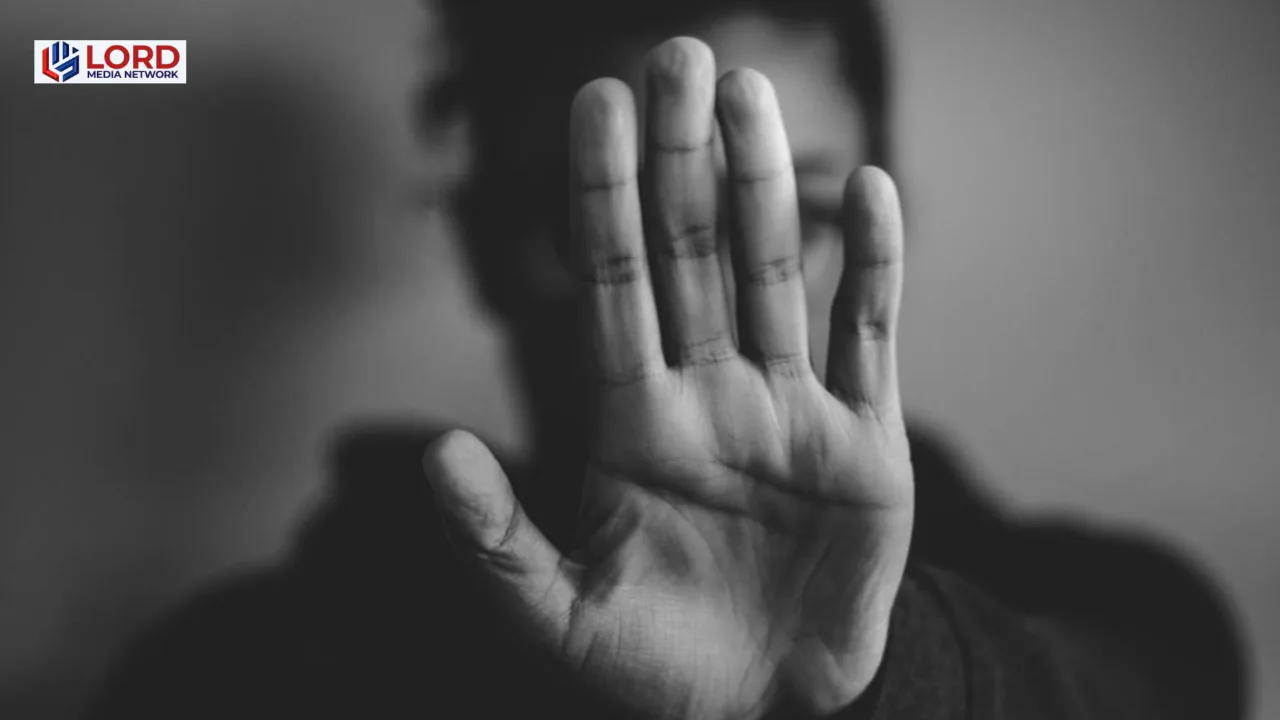
NEW YORK, Nov. 24 (Lord Media): More than 47,000 women and girls were killed by intimate partners or family members worldwide in 2025, averaging around five deaths every hour, according to a United Nations report published Tuesday.
The estimated figure represents 129 women and girls killed every day and remains broadly unchanged from previous years, with annual estimates fluctuating between 45,000 and 51,000, according to UN Women and the UN Office on Drugs and Crime (UNODC).
Of the 78,000 women and girls who were victims of intentional homicide last year, approximately 60% were killed by an intimate partner or family member, the report said.
The findings were released ahead of the International Day for the Elimination of Violence against Women. The estimates were based on an analysis of data from 122 countries and territories.
Although women accounted for 19 percent of homicide victims worldwide in 2025, 60 percent of female victims were killed in private settings. By comparison, 11 percent of male homicide victims were killed by intimate partners or family members.
Africa recorded the highest number of such killings, with an estimated 22,100 victims, followed by Asia with 15,100, the Americas with 7,400, Europe with 2,100 and Oceania with 300.
The report noted that although homicide rates have declined globally, femicide rates have fallen more slowly, particularly in the Americas and Europe.
According to the UN, the trend points to the deep-rooted role of social norms and gender stereotypes, as well as barriers to accessing justice.
The report stressed the need for domestic violence prevention measures to address violence within intimate relationships and wider family structures.
Femicide refers to the gender-related killing of women and girls. The term extends beyond killings by intimate partners or family members and can include certain deaths linked to organized crime, forced labor and human trafficking.
However, the UN said data on femicides committed outside the private sphere remain limited, preventing a comprehensive assessment of the scale of the problem at regional and global levels. LORD
Other Related Stories










Top News




National