
Over four million Afghan children are at risk of malnutrition by 2027 due to the country’s worsening humanitarian crisis, according to UN agencies.
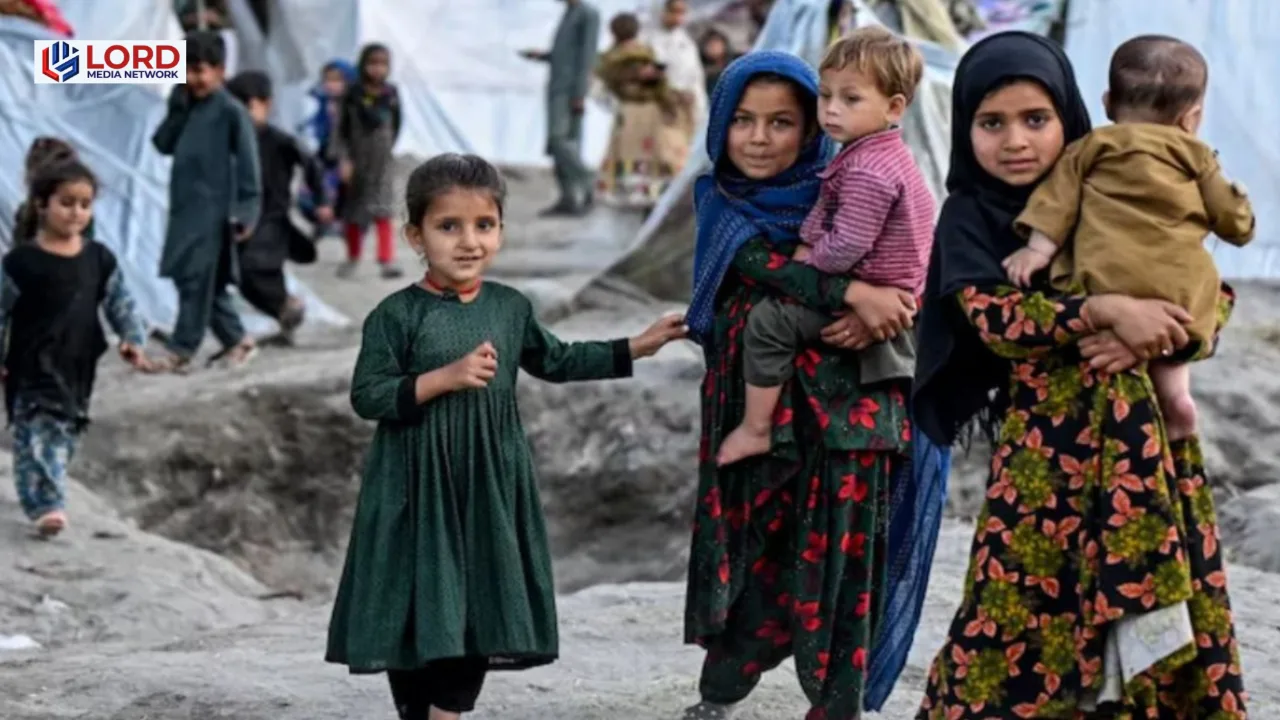
KABUL, Nov. 23 (Lord Media): More than four million children in Afghanistan are expected to require treatment for malnutrition in 2027, as the country’s worsening humanitarian crisis leaves millions facing severe food insecurity, according to United Nations agencies.
More than 15.9 million people in Afghanistan are facing severe food insecurity, while declining humanitarian assistance, limited healthcare access and shortages of essential supplies are increasing risks for vulnerable communities.
The United Nations Children’s Fund (UNICEF) reported that nearly 32 percent of Afghanistan’s population experienced acute food shortages in September and October 2026. The agency also recorded a rise in child malnutrition between August and October, with wasting rates reaching their highest level ever recorded for that period.
UNICEF estimates that approximately 4.04 million children aged between six and 59 months will need treatment for malnutrition from January to December 2027. The agency has warned that conditions could worsen during winter as families struggle to obtain adequate food and essential services.
Funding shortages have further constrained humanitarian operations, limiting aid agencies’ ability to provide food, medical treatment and other assistance.
Women and children face particular risks amid difficulties accessing healthcare. The closure of medical facilities, shortages of medicines and a lack of female healthcare workers have added pressure to Afghanistan’s already fragile health system.
The return of Afghan migrants from neighboring countries has also increased demand for food, shelter and healthcare, placing additional pressure on limited resources.
Meanwhile, the World Food Programme (WFP) has said improved rainfall and higher agricultural production in 2026 have not significantly eased food insecurity for many households. Many families remain unable to afford sufficient nutritious food.
Humanitarian organizations have warned that sustained international assistance and improved access to essential services are needed to prevent further deterioration of the food and nutrition crisis. LORD
Other Related Stories












Top News




National