Gulangyu Island in Xiamen, China, serves as a hub for cultural exchange, showcasing its rich heritage and international influences through historical architecture and museums.
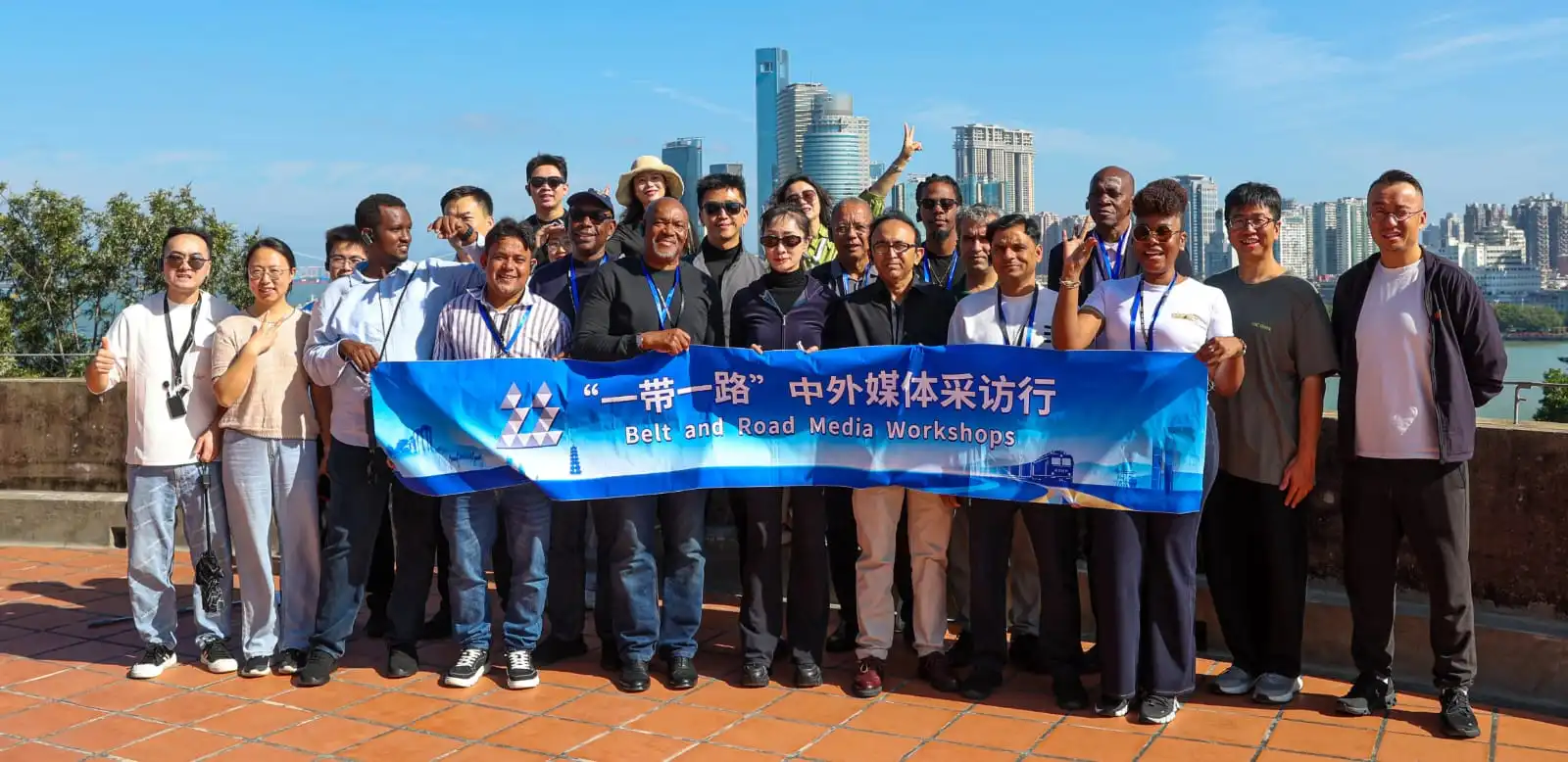
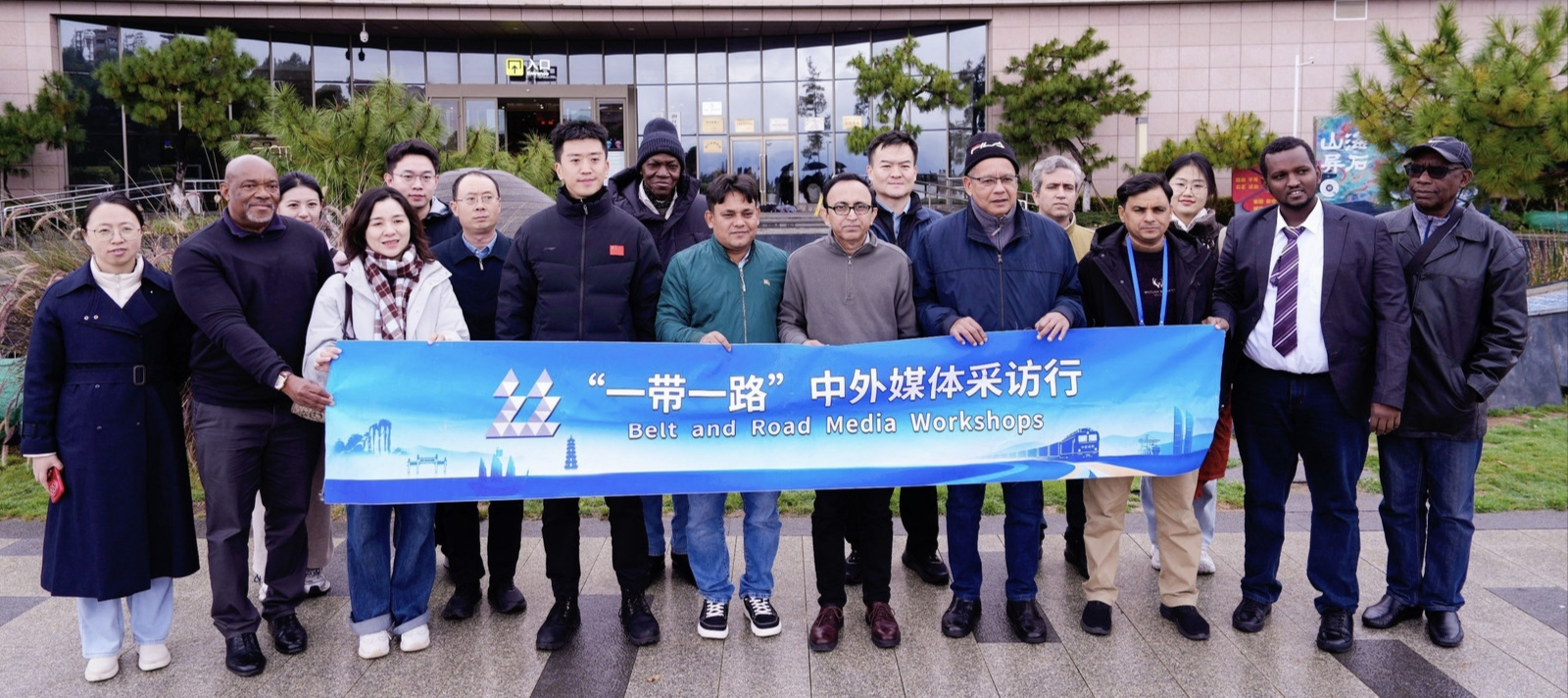
XIAMEN, CHINA: An international media delegation comprising journalists and media representatives from different countries, organized by People’s Daily for the 2026 Media Cooperation Forum on Belt and Road Initiative, visited Gulangyu Island in Xiamen, Fujian Province, to explore its rich cultural heritage, historical architecture, museums and distinctive blend of Chinese and international cultural influences.
During the visit, the delegation received a detailed briefing on the island’s historical significance, cultural preservation initiatives and its role in showcasing China’s architectural and artistic heritage. The visit offered international journalists an opportunity to gain a deeper understanding of how Gulangyu Island brings together history, architecture, music and cultural exchanges in a unique setting.
One of the major highlights introduced to the delegation was the historic Bagua Building, situated at the northeastern foot of Bijia Mountain on Gulangyu Island. Construction of the building commenced in 1907 and was completed in 1930, taking 23 years. Covering a construction area of approximately 6,300 square meters for its main building, Bagua Building is recognized as the largest and tallest villa on Gulangyu Island.
The delegation learned that the building’s distinctive architectural design, exceptional location and zigzag construction process make it an important witness to the social and architectural development of modern China.
The Bagua Building Organ Museum was another significant attraction presented during the briefing. With a total tourist area of 12,030 square meters, the museum offers visitors an opportunity to explore the fascinating world of musical instruments and cultural heritage.
The international media representatives were introduced to the museum’s famous “Pearl on the Crown” exhibition, its remarkable organ collection and an accordion exhibition. Recognized as the only world-class museum of its kind in China, the Organ Museum provides visitors with an immersive experience combining music, history, architecture and education. Its observation platform also offers spectacular views of the surrounding island.
The delegation was further introduced to the Gulangyu Gallery of Artefacts from the Palace Museum Collection, jointly established by the Xiamen Municipal Government and the Palace Museum. It is the only thematic branch museum established by the Palace Museum outside Beijing.
The museum plays an important role in displaying ancient Chinese artistic treasures and foreign cultural relics, providing an important platform for showcasing traditional Chinese culture, art and the exchange and mutual learning between Chinese and foreign civilizations.
Located at the historic Hope Hospital and Nurses School on Gulangyu Island, near Sanqiutian Pier, the museum occupies an area of approximately 11,000 square meters. Its building area covers 5,180 square meters, while the exhibition space exceeds 2,800 square meters. It officially opened to the public on May 13, 2017.
During the visit, the media delegation explored how these cultural institutions preserve valuable historical collections while making China’s artistic and architectural heritage accessible to visitors from around the world.
The visit highlighted Gulangyu Island’s significance as a cultural destination where historical buildings, musical traditions, museums and international artistic influences come together. Its museums and heritage sites provide valuable opportunities for cultural learning, tourism and international exchange.
For international journalists participating in the 2026 Media Cooperation Forum on Belt and Road Initiative, the visit offered a meaningful insight into China’s efforts to preserve its cultural identity while encouraging dialogue and mutual understanding among different civilizations.
Gulangyu Island stands as a remarkable example of how cultural heritage can serve as a bridge between nations, connecting people through history, art, music and shared appreciation of civilization. The visit further reflected the spirit of cultural exchange and people-to-people connectivity promoted under the Belt and Road Initiative.

Other Related Stories



Top News



National