
ECC approves import of 2.5 million tonnes of wheat to address shortages and stabilize prices after a five-month delay led to a 54% rise in flour prices.
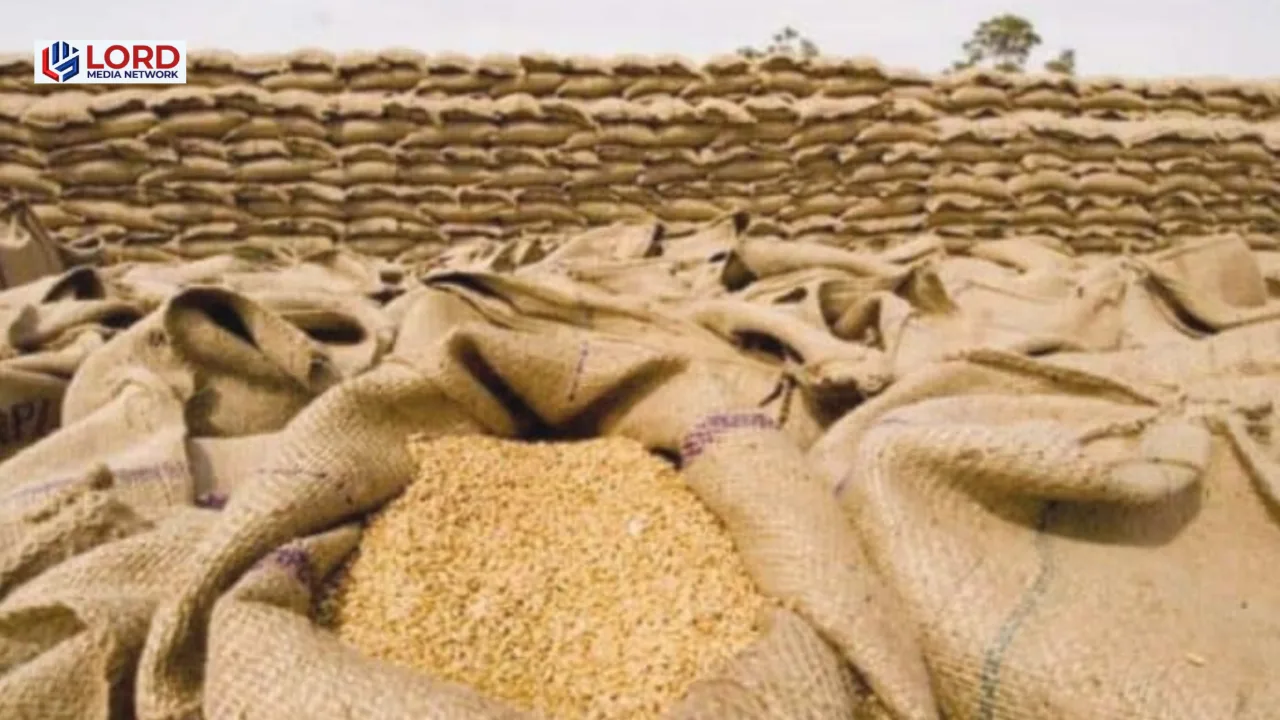
ISLAMABAD (Lord Media): The federal government, in an emergency meeting on Friday, approved the import of up to 2.5 million tonnes of wheat for the current year to address shortages, following a five-month delay that led to a 54% rise in flour prices.
The decision was made during a virtual meeting of the Economic Coordination Committee (ECC), chaired by Finance Minister Muhammad Aurangzeb. The finance ministry announced that the import ceiling was raised for the food year 2026-27 to ensure adequate wheat availability and stabilize market prices.
Concerns about public stocks being unfit for consumption prompted the decision. This issue was highlighted in a meeting chaired by Deputy Prime Minister Ishaq Dar and subsequently in the ECC meeting.
The Pakistan Bureau of Statistics reported a significant increase in wheat flour prices to an average of Rs164 per kg. Despite official claims of 29.7 million tonnes of wheat production and additional stocks, shortages have driven prices higher.
The finance ministry stated that the import decision followed a detailed review of a proposal from the Ministry of National Food Security and Research. The decision will be presented to the federal cabinet for ratification.
The government is already importing 550,000 tonnes of wheat. The ECC was informed that provincial governments initially assessed their import needs at 750,000 tonnes, later revising it to 550,000 tonnes.
It was revealed that some local stocks were not only below expectations but also unfit for consumption, leading to the decision to import up to 2.5 million tonnes. The government will issue tenders for an additional 1.95 million tonnes.
The ECC noted that Punjab’s demand is now 950,000 tonnes, while Sindh requires 450,000 tonnes. Khyber-Pakhtunkhwa will receive 450,000 tonnes, and Balochistan demanded 57,500 tonnes.
The committee agreed that increasing the import ceiling provides flexibility to meet provincial needs without repeated approvals. The costs of imported wheat will be borne by provincial governments.
Priority berthing for wheat vessels at ports was approved to ensure timely delivery. Finance Minister Aurangzeb emphasized the need for effective stock management and coordination to maintain stability in wheat supplies and prices. LORD
Other Related Stories










Top News




National