Govt proposes two-tier model for power privatization, impacting Faisalabad, Gujranwala, and Islamabad companies. Consumers to bear capacity payment burden.
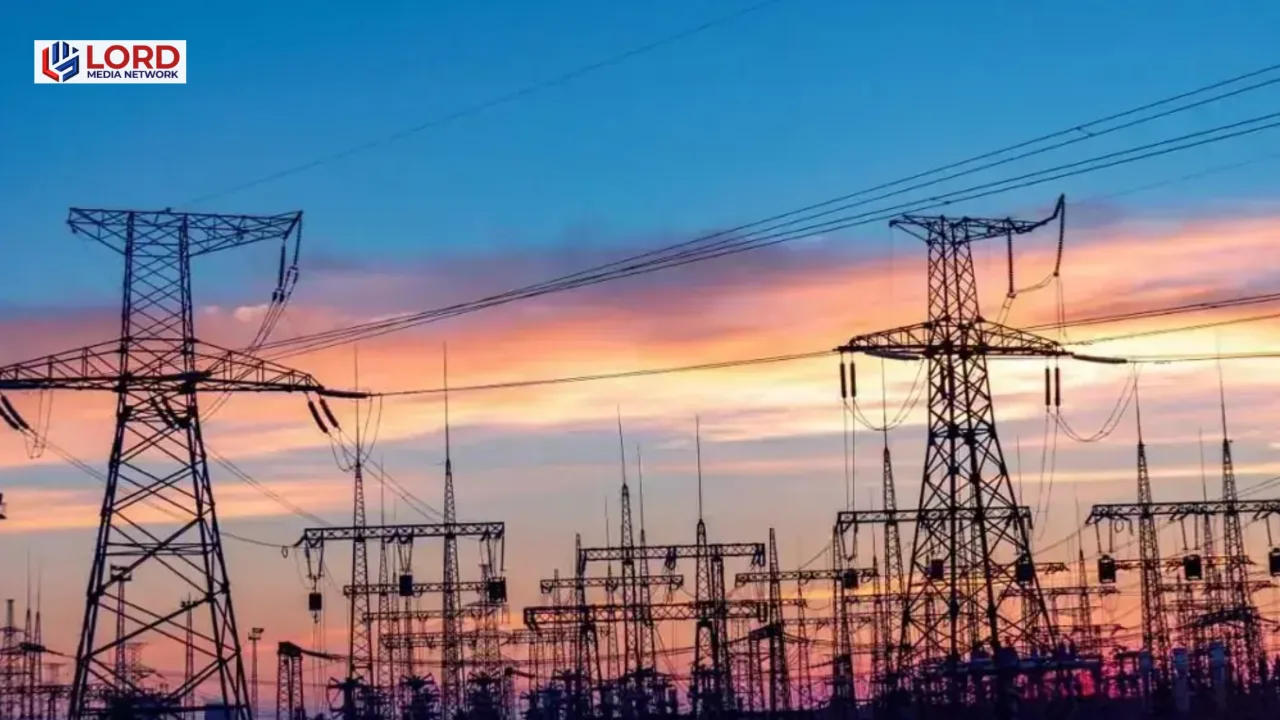
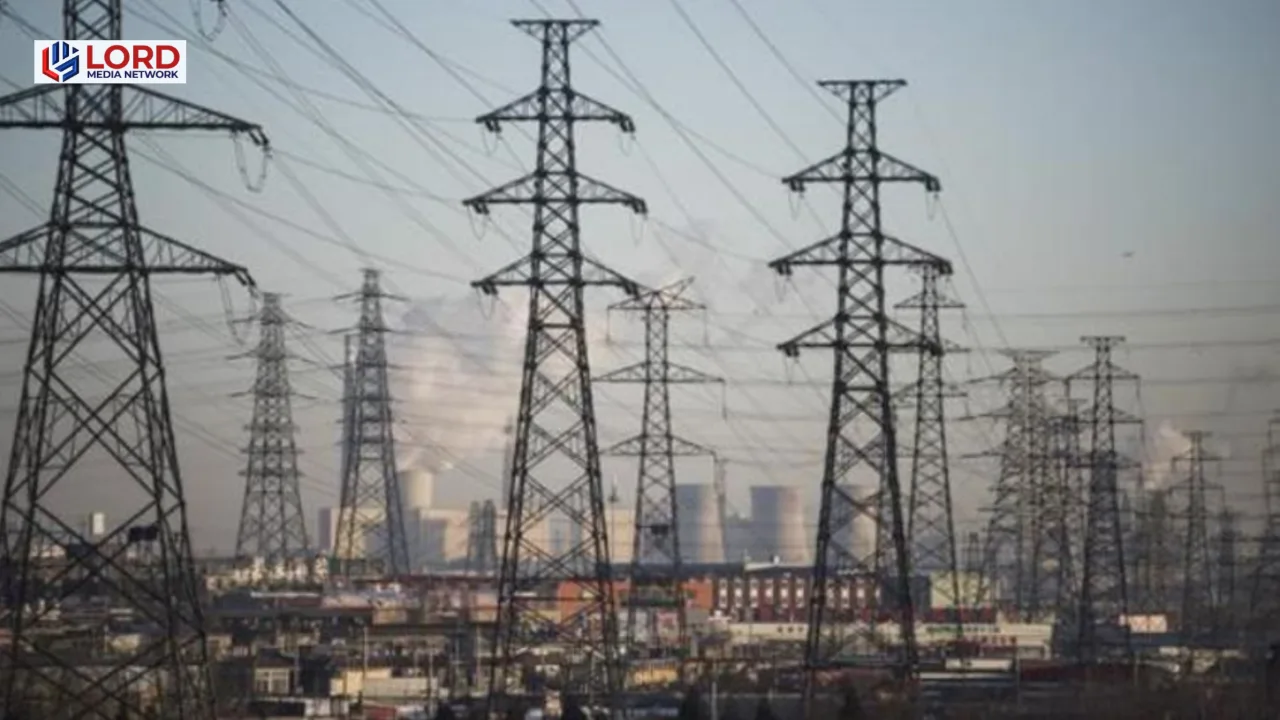
ISLAMABAD (Lord Media): The government has proposed a two-tier business model for the privatization of power distribution companies, where the successful buyer will own the company’s poles, wires, and infrastructure, while commercial operations like electricity sales and billing will be auctioned to other investors.
This model will be implemented after approval from the Power Sector Reforms Steering Committee and the federal cabinet. The government will regulate only the buyer of the power distribution company, referred to as the supplier of last resort.
Faisalabad, Gujranwala, and Islamabad power distribution companies are initially being offered for privatization. Under the proposed system, private sector investors will freely engage in electricity supply and sales, but they will also need to make capacity payments under the government’s previous agreements.
According to the government proposal, consumers are bearing an annual burden of approximately 1.7 trillion rupees in capacity payments in the power sector. The model aims to transfer these financial obligations to private suppliers, though an immediate reduction in electricity rates is not expected.
Consumers will have to pay about 17 rupees per unit for unused production capacity, but in the medium to long term, competitive suppliers will be allowed to sell electricity at lower rates than government tariffs, potentially providing gradual relief to consumers.
According to an official from the Privatization Commission, the primary objective of this model is to regulate the power distribution system and open electricity trading to the private sector on a competitive basis.
Following the privatization of FESCO, the allocated power generation capacity and consumer portfolio by the Central Power Purchasing Agency will be auctioned to private suppliers. Successful bidders will assume responsibilities for electricity procurement and consumer supply.
Other Related Stories





Top News


National