President Zardari has signed the prime minister’s advice to impose an emergency and governor’s rule in Khyber Pakhtunkhwa due to security concerns.
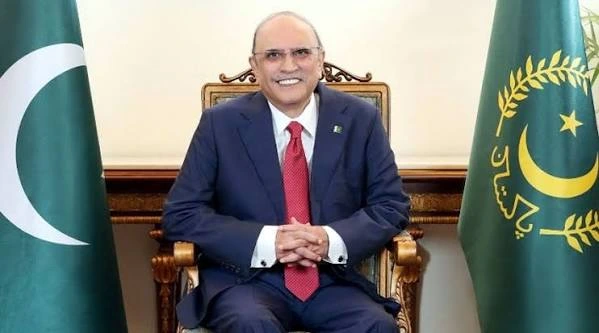
ISLAMABAD, Oct. 11 (Lord Media): President Asif Ali Zardari has signed the prime minister’s advice to impose an emergency and governor’s rule in Khyber Pakhtunkhwa under Articles 232 and 234 of the Constitution, citing the deteriorating security situation and rising incidents of terrorism in the province.
According to a statement issued by the President’s House on Sunday, the president approved the summary following the federal cabinet’s decision, the prime minister’s advice, reports from relevant institutions on the law and order situation, and the failure of negotiations with government delegations.
The development marks a major escalation in the confrontation between the federal government and the Pakistan Tehreek-e-Insaf (PTI)-led provincial government, as tensions continue over counterterrorism policy, governance and the opposition party’s ongoing protest march.
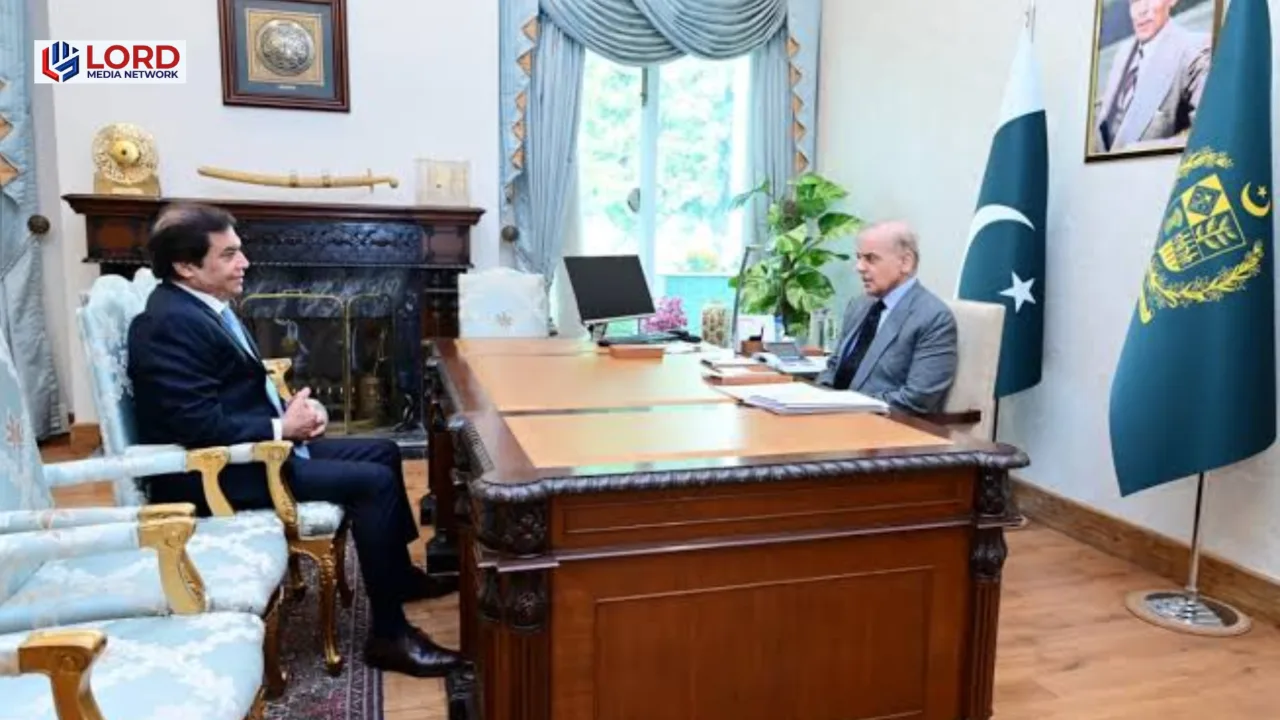
The federal cabinet, chaired by Prime Minister Shehbaz Sharif, approved the proposed measures before sending the summary to President Zardari for approval, according to a statement issued by the Prime Minister’s Office.
The cabinet reviewed reports on the province’s security situation and expressed concern over what the federal government described as the provincial administration’s detachment from the fight against terrorism.
The federal government has maintained that extraordinary constitutional measures are necessary to address the security challenges in the province. The PTI-led provincial government, however, has opposed federal intervention and rejected moves that could undermine its authority.
Constitutional provisions
Article 232 of the Constitution provides for the proclamation of an emergency when the security of Pakistan, or any part of the country, is threatened by war, external aggression or internal disturbance beyond the control of a provincial government.
Article 234 deals with a situation in which the government of a province cannot be carried on in accordance with the Constitution. Under this provision, the president may assume, or direct the governor to assume, specified functions and powers of the provincial government, subject to constitutional requirements.
Although emergency and governor’s rule are frequently discussed together in the current political debate, the two provisions address different constitutional circumstances and prescribe distinct procedures.
The measures could significantly alter the federal-provincial administrative relationship in Khyber Pakhtunkhwa. Their implementation and continuation will depend on the applicable constitutional procedures and parliamentary requirements.
Political negotiations fail to resolve tensions
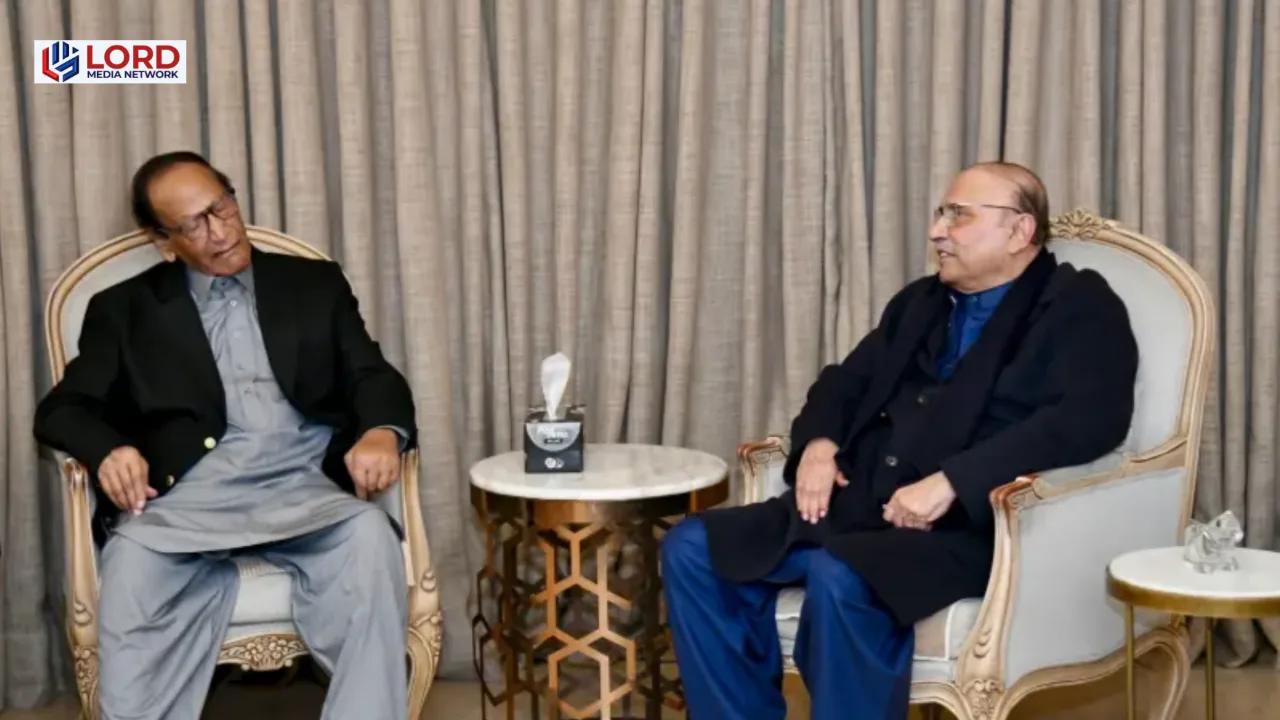
The decision followed several rounds of consultations involving Prime Minister Shehbaz Sharif, President Zardari, federal ministers and political leaders seeking to defuse tensions between Islamabad and the PTI-led provincial administration.
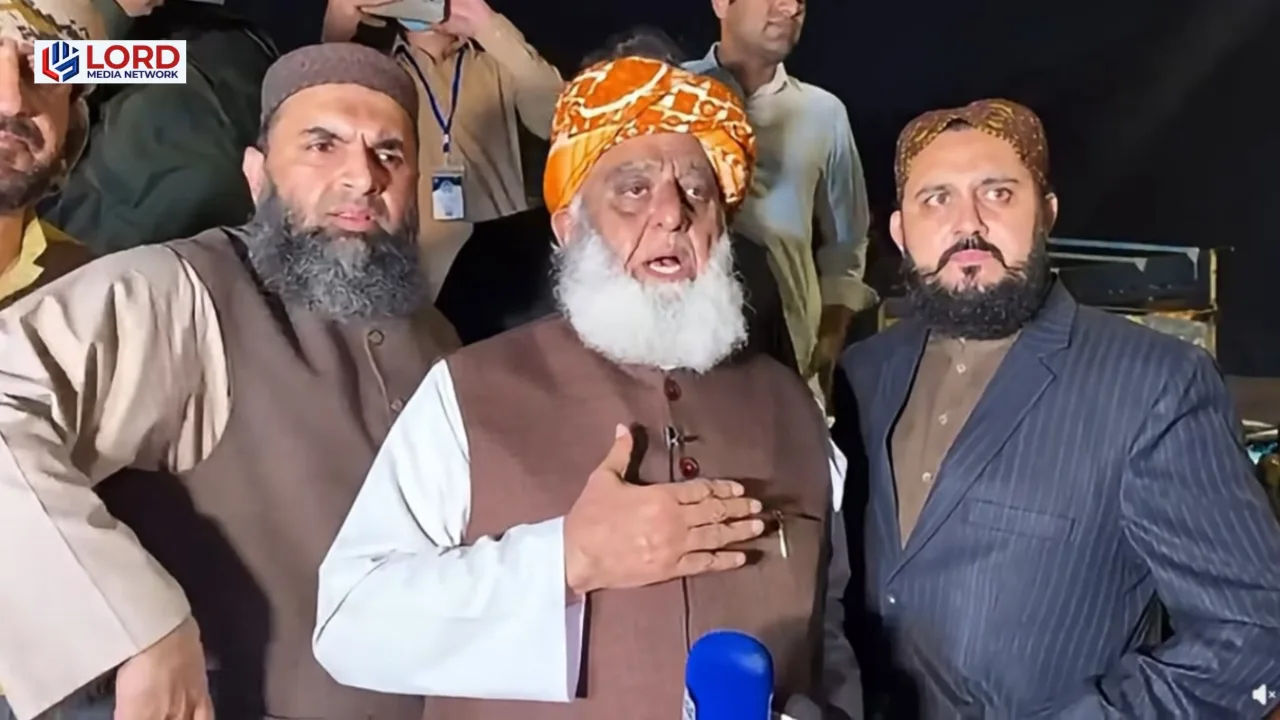
Jamiat Ulema-e-Islam-Fazl (JUI-F) chief Maulana Fazlur Rehman also held meetings with the prime minister and PTI leaders as part of efforts to facilitate dialogue and prevent a further escalation.
Federal Interior Minister Mohsin Naqvi said earlier that the government had exhausted its options to avoid imposing an emergency in the province. Information Minister Attaullah Tarar also confirmed that the federal cabinet would consider emergency and governor’s rule.
The consultations took place as the PTI continued its protest march, adding to political tensions between the federal government and the provincial administration.
Parliament sessions planned
The federal government has also scheduled separate sessions of the National Assembly and Senate for October 13 to consider matters arising from the evolving situation.
The constitutional framework governing emergency measures includes parliamentary approval requirements and procedures that determine how long such measures may remain in force. The precise legal and administrative consequences will depend on the terms of the proclamation and the provisions invoked.
The developments place relations between the federal government and Khyber Pakhtunkhwa’s elected administration at a critical point, with security concerns and political disagreements now intersecting over the province’s future governance. LORD

Other Related Stories


Top News


National